CLASSICALLYPRACTICAL.COM

Ruminating on Remedies

Picture

Julia Coyte, CHom

My thoughts on a few of the many thousands
of homeopathic remedies available.
​Where, when and how they may be applied in everyday life.

#wellnessawaits

To subscribe to Ruminating on Remedies via Substack, click here. Thanks!
Note: My Substack subscription is free of charge.


Or, follow me on any of the following social media sites…

X/Twitter: @RemedyRuminator
Telegram:
 t.me/wellnessawaits
Facebook: @JuliaCoyteHomeopath
MeWe: mewe.com/i/juliacoyte
Gab: @Bobthepeacock​
Gett'r: Classically Practical Homeopathy @ jcoyte
Locals: https://rollinwithmyhomeys.locals.com
I use Substack to email my latest articles. To subscribe for free, click above or go to homeopathy.substack.com.

Picture
​Ruminating on Remedies: Digging Deeper 

​ Introducing in-depth homeopathic articles,
digging a little deeper into topics that take my fancy.
​
At this point in time, it is only available at homeopathy.substack.com but
I hope to have it available here in the near future!

Ruminating on Remedies is and always will be free.
Those articles are listed below.
​
Thanks for reading!!
  • Home
  • In a nutshell …
    • Classical? Practical?
  • About
    • contact >
      • FAQ
  • Blog
  • Book appt
    • Before first appt >
      • Choosing a homeopath
      • Useful info >
        • References & Resources
  • Research
  • Product

5/23/2025

A little housekeeping…

Read Now
 
A quick word about Ruminating on Remedies: Digging Deeper…

I publish free articles at Ruminating on Remedies about weekly. In the last couple of months, I have begun writing more in-depth articles, hence the name "Digging Deeper." I will publish these paid articles about once a month (this month there are 3 with another in the pipeline -- all about head injury remedies (following on from the recent "What Happened?!").

At this point in time, these are only available at homeopathy.substack.com. In the near future, I hope to have them available here at classicallypractical.com. 

I am also in the process of building/writing some handy-dandy charts and guides for various circumstances.

Lots of fun stuff in the works!

Thank you for reading Ruminating on Remedies!!

Julia

Share

5/23/2025

Now for something completely different

Read Now
 
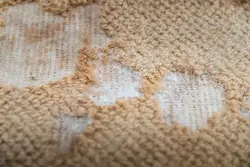
Carpet moths. Ever heard of them? They are miserable.

The internet tells me they are found all around the world (though I think most of them wintered in my house.)

They are the same little moths that eat sweaters and blankets. If you have wool carpets, your house is a veritable never ending buffet for the little buggers.
​
Here’s a look at what they do.
Picture

moth-prevention.com
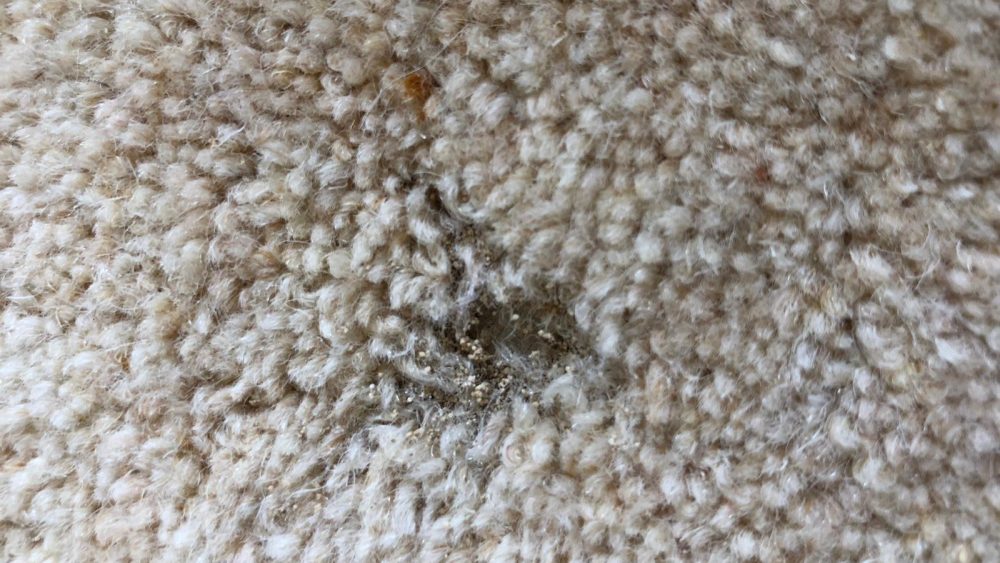
Their eggs are as tiny as dandruff. They are not easy to spot (and they only sometimes comes with that dark background — I’m not certain what that’s all about yet).
Picture
bonaccordpestcontrol.co.uk
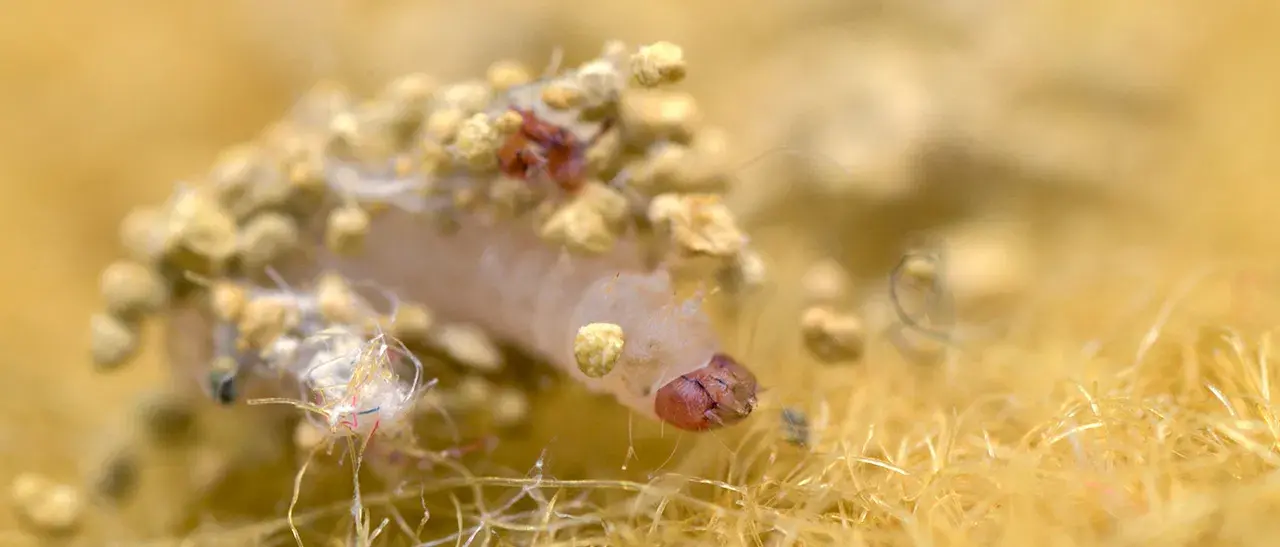
Then there are the larvae… This is what actually eats the carpet.
Picture
safeguardeurope.com
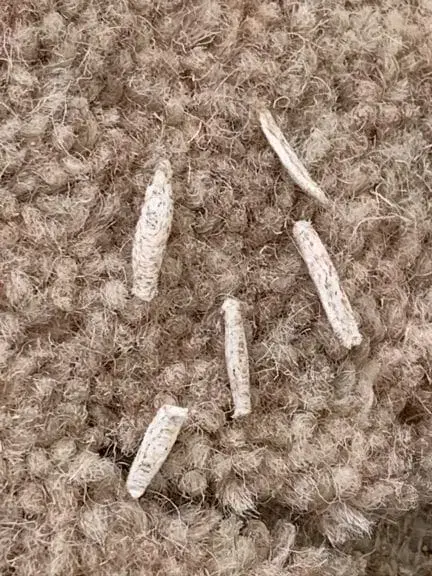
If you see these casings around — you know you’ve had visitors.
Picture
pest-tech.org
I have spent countless hours over the last few months uprooting these things. They even manage to get underneath flat, solid pieces of furniture! I thought we had beaten back the bulk of them, but it turns out one room seems to still be pretty darned infested 😩.
​
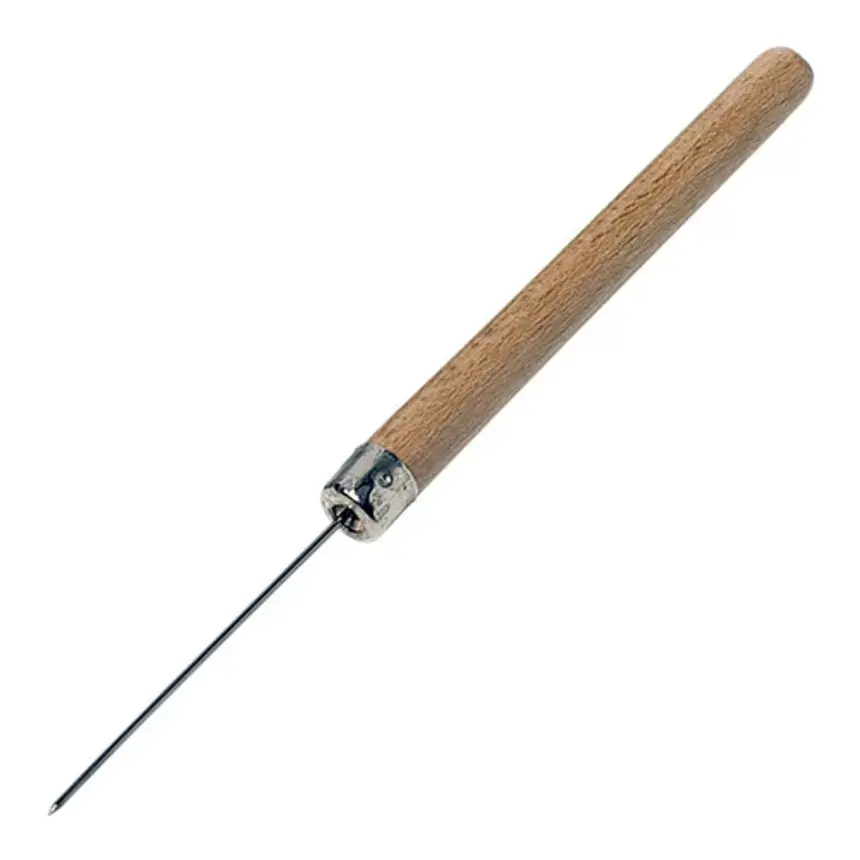
What to do about them? I have found a soldering pick to be indispensable. I comb through the carpet, loosening the eggs with the pick in one hand and the vacuum in the other hand. (I learned the other week how handy-dandy a headlamp is for this work.) These eggs seem to be sticky and I find the vacuum alone doesn’t do the trick (though vigorously agitating the carpet with the pointy attachment helps). The pick gets them off the wall and the edge of the furniture and off the individual loops of the carpet.
Picture
gesswein.com
After picking out the eggs and vacuuming what we can, then we come by with a steamer to kill the eggs. (We are sure to throw out the vacuum bag/empty the canister after each round cuz the internet tells us they can escape from the vacuum.) Maybe steam cleaning alone does it but I have found removing the eggs first makes it easier to tell later if more eggs have been deposited. (The areas where we steamed only, we now can’t tell if they are new or old eggs.)
​
The other useful tool — the pheromone moth traps. When we began this process, all 3 sides of these little sticky tent cards would get filled up pretty quickly. Now, just a couple of moths are captured now and again. It sure is nice to see that (hopefully) we are finally ridding our house of these dastardly little fellows. (I hope it’s not just a lull in the process. I really, really hope all this effort is paying off!!)
Picture
bonaccordpestcontrol.co.uk
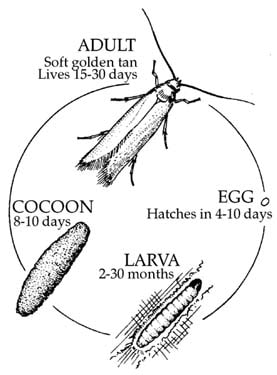
Note: this larva thing — some sites say they can be there for up to 2-1/2 years! (The larvae are what does all the damage.) The actual adult moths are apparently harmless to the fabrics. “Their only goal is to find mates and lay their eggs wherever there is enough food for their moth larvae to thrive” (moth-prevention.com).

Why am I telling you this? We have been at this for quite a while and if I can save somebody some time in figuring this horrible problem out by letting you know what has worked and what has not worked for us, then it will all be worth it.
  • Maybe steaming alone would do the trick. Maybe. (In my opinion, if you’re not on your hands and knees finding where they are hanging out, you’re gonna miss them. But, we’re using a little spot steamer, maybe a big industrial thing for the entire carpet could work.)
  • Diatomaceous earth alone didn’t do it for us.
  • Cedar sprays alone didn’t do it.
  • Traps alone certainly didn’t do it, but I would say they are imperative to find out how bad the problem really is and to monitor progress.
  • Vacuuming alone didn’t do the trick for us.
The combination of moving all the furniture, being on hands and knees with a headlamp and a pointy pick of some sort with the vacuum hose attachment, followed by spot steaming is the answer in my never-to-be-humble opinion.
​
What else helped? Closing the door to the room with the newly laid carpet. I have had a few traps set out and only picked up a few moths in total over the months. I have found no evidence of eggs or casings. I feel like that room has been spared. 🤞
Now, back to the regularly scheduled homeopathy postings…


Julia Coyte, CHom
Classically Practical homeopath

#wellnessawaits

​

Share

5/18/2025

A quickie...

Read Now
 
Picture
I am not ruminating on remedies today. I am ruminating on knowledge and autonomy.
​
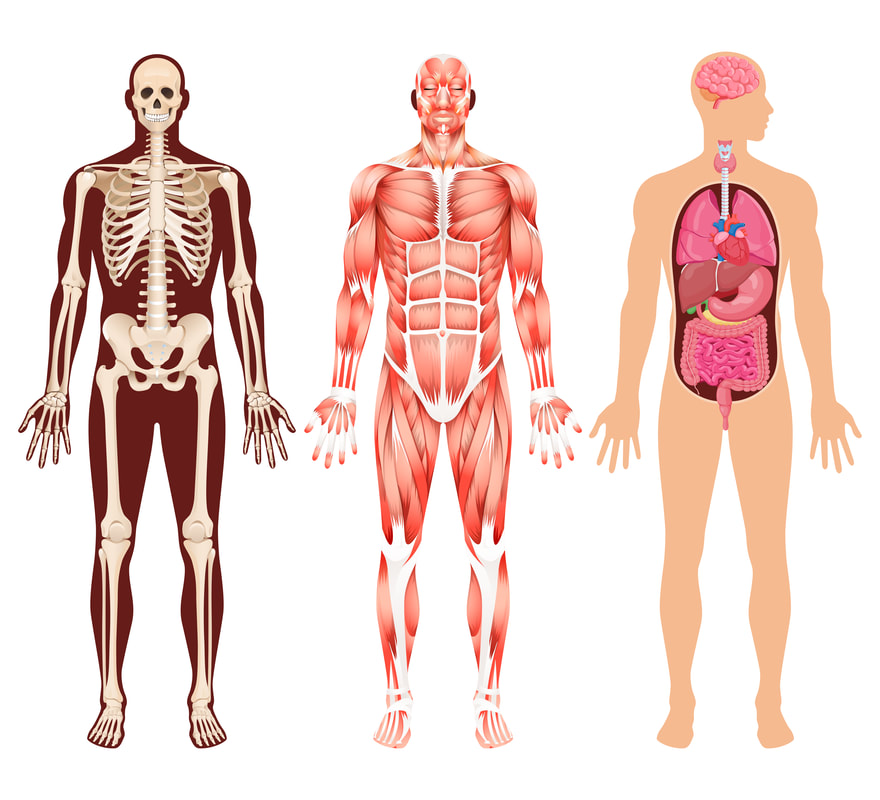
I am currently enrolled in a nutrition class and I am loving it. But, I have spent a lot of time lately wondering why am I only now learning this stuff? I mean, I have picked up pieces here and there over the decades because I have had an interest in it, but I was never formally taught nutrition. My kids were never taught nutrition in school. (Well, the basic food groups and the food pyramid (yikes!), but not much else.)

Back when I did the anatomy and physiology course, I thought the same thing. Why did I never learn this stuff? It is my opinion that this should be a mandatory class (just like reading and math) beginning in kindergarten and continuing throughout school, ending in some level of proficiency of yourself to be necessary to graduate from high school and not just offered as an elective for high school students who think they may want to be a doctor one day.

I was a child of the 70s and I don’t recall much being taught beyond the basics. In 4th grade, I remember having to chew some foul red pill (what was in that stuff?) so the visiting district nurse could see how well we brush our teeth. (Which you then had to dry brush off — nobody ever got it all off. I did, however, learn from a holistic dental hygienist a few years ago that dry brushing is the best way to get your teeth clean.) In 5th grade, they separated the boys from the girls to tell us about puberty and what to expect. There was a random health class in junior high and high school but I really just remember learning about how drugs and alcohol might affect you. There was a biology class in 10th grade and we dissected a couple of things but we mainly learned about plants.

My children, all schooled in this new millennium, didn’t learn much more. I remember “the heart bag” that came home with them in 2nd grade where they played around with the stethoscope for a day (to be fair, I’m sure there was more to that unit than that), but overall, there was not much education about the most important thing in one’s life… their body and their health.

How much better would life be if people had an understanding of how their body works and how various food items and basic nutrition plays a part in keeping us running?

Proficiency of yourself is really what it is all about. With the exception of one’s own mother, nobody cares more about you than you*. The doctor you’re visiting may take an interest in you during your 15 minute appointment, but then what? You leave the office and you’re on your own. You may leave with a prescription of some sort (often because you are not giving yourself the attention you deserve). Have you looked up that medicine? Do you know the effects of that drug? Have you read the ingredients on the tooth paste tube? Do you know what blood tests have been ordered and what the results mean?

How amazing would it be if we all learned… forget about the boring name (anatomy & physiology; A&P), it’s really a course all about you. It’s as close as one can get to having a handbook about you. I’m talking about the nitty gritty of what makes us run (or, if you take the Pathology and Disease classes, what has gone wrong).

Answer honestly:
  • What does your spleen do?
  • Is cholesterol made in your body or is it provided to the body?
  • What is the difference between a tendon and a ligament?
  • What are amino acids and what part do they play in our bodies?
  • How does your body utilize protein? Fat? Carbs? What happens when you have too much of one of these macro nutrients?
  • Hormones are a whole other thing: how many hormones are there (so far discovered, anyway)? What affects our hormones? What do our hormones regulate in our body. (Hint: sex hormones are just the tip of the iceberg.)
  • What is the importance of blood sugar?

Shouldn’t we know this automatically? Shouldn’t we have a thorough understanding of our body parts? Shouldn’t we know how various foods affect our various bodily systems? Shouldn’t we be able to have some basic understanding of what the blood test that our doctors have ordered for us means?

I would venture to guess that most people reading this right now don’t have the stomach to even begin learning this stuff at such a late age. That is my point! If we were taught it from the beginning in school, we would all already know it!

There is my rumination for the day. Carry on.


Julia Coyte, CHom
Classically Practical homeopath
#wellnessawaits


*If you don’t already, I highly recommend you start keeping a health file for you and every member of your family. What brought you to the dr? What did the dr recommend? What testing was done? What were the results? If you began a new drug, are you writing down changes you notice?

Share

5/13/2025

What happened?!?

Read Now
 
Picture
Head injuries can encompass many things: concussion, skull fractures, contusions, subdural hematomas, scalp wounds, or even injuries to the underlying tissues and blood vessels in the head.

For this article, we’re going to address those head injuries which involve a real whack to the noggin (or, not, as it turns out!), generally resulting in a traumatic brain injury (TBI) or mTBI (mild traumatic brain injury).

When I was a kid, you would hit your head and that was the end of that. Unless you hit it so hard you got a concussion — that got the parents’ attention. Turns out a concussion is a mild traumatic brain injury (Mayo Clinic 2022). And, it also turns out you don’t have to hit your head all that hard (if at all!) to get a concussion/brain injury.

How could you get a concussion without hitting your head?
Anything that can cause the head and brain to move rapidly back and forth… Sudden stops like car crashes, violent shaking, contact sports, even blast injuries (McKee and Robinson 2014).

(I’m beginning to understand, all these years later, that a head injury is a head injury and probably shouldn’t be dismissed too easily.)

How do you know if you or your child has suffered a concussion?
John Hopkins Medicine tells us to look for:
  • loss of consciousness
  • severe headache that doesn’t dissipate
  • nausea and/or vomiting
  • loss of memory (“What happened?!”)
  • difficulty with walking and talking
  • one-sided weakness
  • seizures
  • behavior changes
  • blood or clear fluid draining from the ears or nose
  • one pupil is dilated or looks larger than the other; it doesn’t constrict when exposed to light
Note: moderate to severe head injuries require immediate medical attention where they will evaluate your vision, hearing, strength, balance, coordination and reflexes.

What to do if you or your child suffers a mild concussion?
Specific treatment will be determined by your doctor, but generally speaking may include:
  • ice
  • rest
  • ointment and bandage; stitches
  • observation is very important. In lesser instances, home observation will suffice. In severe situations, hospitalization may be required for more intensive observation.
Be sure to seek medical attention if you are experiencing any of the above listed symptoms.

How can homeopathy help?
First Aid with Homeopathy (Ratera 2016, p. 199) talks about the “usefulness of homeopathic remedies as adjuvant to necessary conventional measures.” In case you didn’t already know, homeopathy works so well alongside conventional medicine!

There are two major go-to homeopathic remedies for head injuries: Arnica and Natrum sulphuricum.
Every book I looked in for homeopathic remedies for head injuries lists Arnica as the first remedy to use. Why? Number one, Arnica is pretty much the first remedy for any injury. Number two… well, it’s Arnica! So good for so many things, as you'll see below.

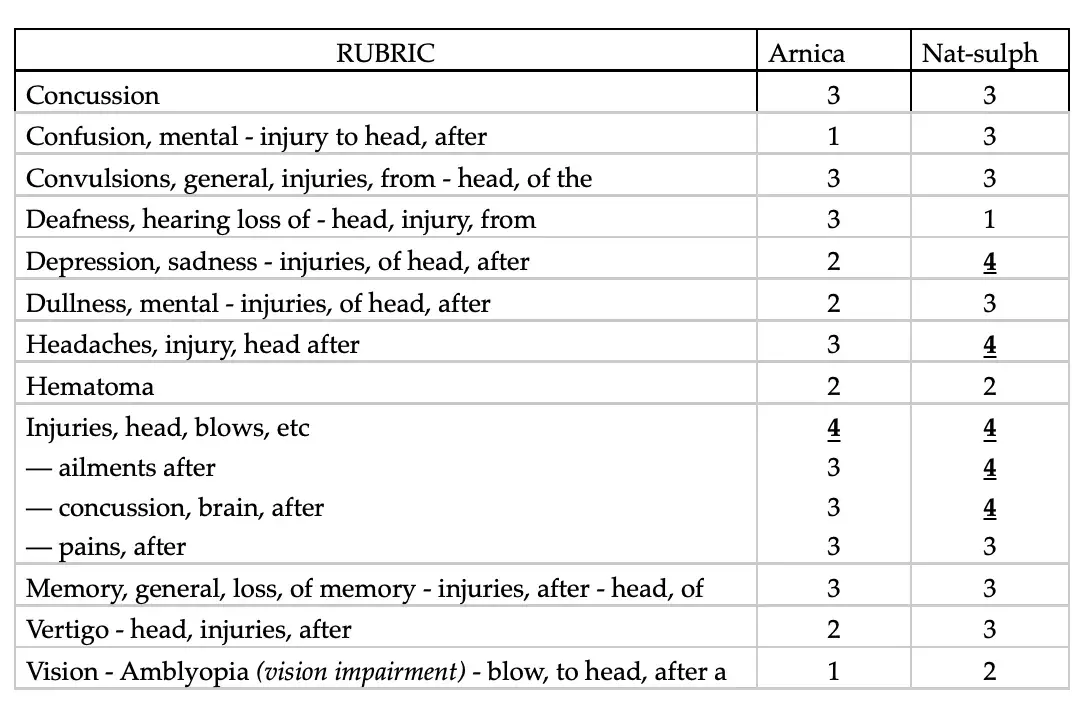
Let’s see how Arnica and Nat sulph stack up in the following head injury rubrics†:

Picture
One might think looking at these two brief comparisons of the remedies* that Nat sulph would be the go-to remedy for a head injury. However, look a little closer… most of the rubrics say, “after.”

E.A. Farringon (2018, p 270-271) says, “Arnica is applicable to both the acute and the chronic effects of injuries. The acute injuries for which it is useful are the following: simple bruises… concussions of the brain or spine or of both. We have no remedy which equals Arnica in these last-named cases. Even compression of the brain comes within the range of Arnica, whether this compression be the result of a displaced fragment of bone in cranial fracture, or the result of effusion of blood within the cranial cavity. Arnica can not, of course, cure in the former of these cases; an operation is demanded in order to obtain permanent relief.”

Richard Pitt (2015, p. 48) says, “as we know, all injuries basically start with Arnica. It fits the nature of so many injuries, especially at the beginning of an injury, but also very much for chronic consequences of injuries.” This is an important point in differentiating Arnica and Nat sulph. To sum it up too neatly, Arnica is more indicated immediately after the head injury and Nat sulph would come in later as a clean up crew. However, that’s not exactly true; there are more nuances to it, of course. But, it’s a good place to start.

​Let’s keep looking…

(It is true that most home users of homeopathy have Arnica at hand — it is, after all, known as “the gateway” homeopathic remedy because it has such a huge range of uses in treating so many conditions, especially as related to trauma, injuries and surgeries. Arnica is included in virtually every basic homeopathic remedy kit.)

Some of the keynotes of Arnica (Morrison 1993):
  • bruising or bruised sensation
  • touch aggravates — they may say, “leave me alone, I’m fine!”
  • irritability (see above)
  • “answers questions correctly then falls asleep as in concussion or delirium”
  • stupor after head injury
  • fear of being touched or bumped (see above)

Some more Arnica keynotes from Morrison’s new book, Clinically Verified Materia Medica, Volume 1‡ (2025):
  • worse for noise after injury of head or neck
  • throbbing, pulsating headache, often with flushes and nausea
  • stitching from temple to temple
  • shuts self alone in room during headache
  • “In the concussion, the patient may slip in and out of coma**, answers questions in a fog then sleeps again, believes there is nothing wrong and wants to be left alone.”

To clarify further on Arnica from Dr. Morrison’s new book (2025, p. 186), the “trauma created various defensive reactions — the first of which is denial… immediately declaring, ‘I’m fine.’… Other patients said that they were unable to ask for or accept help no matter how dire the circumstance… patients stated a need to remain in control by which they meant to hide or minimize the trauma.”

Natrum sulphuricum keynotes (Morrison 1993‡):
  • confusion or mental dullness after a head injury
  • general aggravation from injury to head or spine
  • convulsions which begin after head injury**
  • headache after head injury

Dr. Ratera (2016) says of Nat sulph: “Consequences of head trauma: vertigo, absences, blindness, coma, concussion, convulsions, headache, dullness, madness, sadness, suicidal thoughts, and memory loss.” (The key word to me, here, is “consequences.”) “Often, people who have suffered head injuries present immediately or after some time, with headaches, dizziness, memory loss, bouts of distraction, absences or epileptiform (brain activity that resembles that of epilepsy) seizures, and other disorders of concentration. These disorders can become chronic and be extremely annoying” — Nat sulph is his answer.

But, once again, it’s not as clear cut as recent head trauma = Arnica and lingering effects of head trauma = Nat sulph. (That would be too easy!) Arnica, too, can be very helpful way down the road for old head traumas. (A quick search of “Arnica” and “ailments from” in Radar Opus software shows: “Head - injuries, head, blows, etc - ailments, after” and there sits Arnica in bold type. Nat sulph is there, too, in bold underline.)

Back to Farrington (2018, p. 271), “In the chronic effects of injury we may use Arnica when diseases (which may even be entirely foreign in their appearance to the ordinary symptomatology of the drug) may be traced to a traumatic origin. No matter what that disease may be whether of the brain, eyes, lungs or nerves, if the injury is the exciting cause, the administration of Arnica is proper.” (See? not so clear cut, right?)

So, what does Dr. Farrington (2018, p. 849) have to say about Nat sulph? “In the chronic effects of injury, especially to the head, Natrium sulph is almost indispensable.”

… But, then again, it is as simple as what I wrote earlier. If you have hit your head, start with Arnica. If there are lingering effects of that head injury and Arnica isn’t taking care of business, swap to Nat sulph. And, if years down the line you think, “you know, I haven’t felt right ever since I hit my head,” give Arnica a try.

If you readily take part in “brain rattling” activities, you might want to keep both Arnica and Nat sulph handy.


Julia Coyte, CHom
Classically Practical homeopath

#wellnessawaits


Arnica and Nat sulph are not the only two well-indicated remedies for head injuries — they are just the most commonly available and well known remedies for head injuries. To read further on homeopathic head injury remedies, consider subscribing to Ruminating on Remedies: Digging Deeper. The first of the next two head injury comparisons will be out in the next week (or so).


*Homeopathic repertories are laid out giving a number for each remedy and how well indicated that remedy is for the specific rubric. In Murphy, 4 is the highest (most well-indicated) remedy.

**Be certain to seek medical assistance in these conditions!

†All the remedies listed in these rubrics (sometimes a couple, sometimes dozens) are all potentially appropriately indicated — it’s just that some are more strongly indicated in a stand-alone rubric. For today, we are just comparing Arnica and Nat sulph. However, it’s important to remember that the right remedy in a case is the right remedy, regardless of how strongly indicated the remedy may be. Homeopathy is so full of nuance and minutiae!
​

‡This is a bit unfair to Nat sulph as volume 1 stops at Euphrasia! I wish I had the other volumes but they have yet to be published!

Share

5/4/2025

T.E.E.T.H.

Read Now
 
Picture
I have spent a lot of time thinking about teeth lately: My husband’s recent dental experiences; A couple of recent homeopathy/dentistry articles; I’m overdue for my teeth cleaning by a couple of months because my old dentist is no longer around… you know, just thinking about T.E.E.T.H.

Why did I capitalize that word and stick periods between each letter?

Because I learned about T.E.E.T.H when listening to this podcast. 

T.E.E.T.H. stands for:

Tried
Everything
Else
Try
Homeopathy

You see, lots of people come to homeopathy when they feel they have exhausted all their options:
  • The doctors have told them they have nothing more to offer them.
  • They find the meds they are on are no longer as effective as they once were.
  • They are no longer able to tolerate the meds they are on.
  • The side effects are too much.
  • The relief they were promised wasn’t sufficient.
  • They feel unheard by their physicians.
  • The person is experiencing vague, unpleasant symptoms which don’t fit nicely into the mainstream medical modality.
  • They are allergic to the ingredients (manufactured or herbal).
  • The many supplements prescribed are just too expensive.

There are any number of reasons why people turn to homeopathy. But, there is no doubt that by the time they have decided to try homeopathy, most people feel they have exhausted all other possibilities. Homeopathy is often the last stop on the wellness train and I would love to see that change.

From my perspective, whatever gets people to turn to homeopathy is fine and dandy with me! I wish everybody knew about the wonders of this modality!! But, if people were to be introduced to homeopathy before the last stop on their health journey, I personally think a lot of health difficulties could be avoided.

So, what are the benefits of homeopathy?

Homeopathy focuses on the entire person, taking physical, emotional and mental symptoms into consideration when finding a homeopathic remedy that is selected just for them.

Homeopathy is:
  • Gentle
  • Non-addictive
  • Chemical free
  • Natural
  • Without side effects
  • Deceptively powerful (try it and see!)
  • The remedies are pretty darned inexpensive
  • Safe for all ages (and, pets, too!)

Homeopathy doesn’t have to be an all or nothing option. Homeopathy works beautifully alongside other treatments or it can be very helpful to address symptoms that are not fully managed through other means or even to help with side effects of certain other medical treatments.

If you would like to give homeopathy a try (for you or your child ), I am offering a 20% discount for new clients in this month of May.

If you would like to chat further to have any questions you may have about homeopathy answered, click here for a free 20-minute introductory meeting.  

Give homeopathy a whirl… I think you might just be pleasantly surprised.


Julia Coyte, CHom
Classically Practical homeopath


#wellnessawaits
* I have no idea why the AI image generator can't spell homeopathy… oh, well.

Share

Details

    Archives

    October 2026
    September 2026
    August 2026
    July 2026
    June 2026
    May 2026
    April 2026
    March 2026
    February 2026
    January 2026
    December 2025
    November 2025
    October 2025
    September 2025
    August 2025
    July 2025
    June 2025
    May 2025
    April 2025
    March 2025
    February 2025
    January 2025
    December 2024
    November 2024
    October 2024
    September 2024
    July 2024
    June 2024
    May 2024
    April 2024
    March 2024
    February 2024
    January 2024
    December 2023
    November 2023
    October 2023
    September 2023
    August 2023
    July 2023
    June 2023
    May 2023
    April 2023
    March 2023
    February 2023
    January 2023
    December 2022
    November 2022
    October 2022
    September 2022
    August 2022
    July 2022
    June 2022
    May 2022
    April 2022
    March 2022
    February 2022
    January 2022
    December 2021
    November 2021
    October 2021
    September 2021
    August 2021
    July 2021

    Picture
    Julia Coyte is a classically trained homeopath who is well versed in the practical application of homeopathic remedies.
    ​
    To arrange for a consultation, click here.

    RSS Feed

    Categories

    All
    AAA
    Abrus Precatorius
    Abscess
    Abuse
    Accident
    Acetaminophen
    Ache
    Aches
    Acidity
    Acne
    Aconite
    Aconite Bryonia
    Aconitum Napellus
    Activated Charcoal
    Acupuncture
    Acute
    Acute Consultation
    Acute Sickness
    Advil
    Aesculus
    Aggravation
    Aging
    Ainsworth
    Air Sick
    Alcohol
    Allergic Reaction
    Allergies
    Allergy
    Allium Cepa
    Aloe
    Alopecia
    Altitude
    Alumina
    Alzheimer's Disease
    Ambra Grisea
    Ammonium Carbonicum
    Amputation
    Anacardium
    Anal Fissure
    Anal Fistulae
    Anaphylactic
    Anaphylaxis
    Anas Barbarie
    Anemia
    Anesthesia
    Anger
    Animals
    Ankle
    Annoyed
    Antacid
    Anticipatory Anxiety
    Antidote
    Antimonium Crud
    Antimonium Tart
    Anxiety
    Aphorism
    Aphthae
    Aphthous Stomatitis
    Apis
    Apis Mellifica
    Appendectomy
    Apps
    Aregentum Nitricum
    Argentum Nitricum
    Arnica
    Arsen
    Arsenicum Album
    Arthritis
    Aspen
    Asphyxia
    Asteraceae
    Asthma
    Aurum
    Aurum Metallicum
    Auto-immune
    Avena Sativa
    Azadirachta Indica
    Bach Flower Remedies
    Bach Rescue Remedy
    Back
    Back Ache
    Back To School
    Balance
    Bambusa
    Banerji Protocol
    Banerji Protocols
    Baptisia
    Baptisia Tinctoria
    Bashful
    Bedsore
    Bee
    Bee Sting
    Belladona
    Belladonna
    Bellis Perennis
    Betrayal
    BHI
    Bicycle Fall
    Bioplasma
    Bird Flu
    Bites
    Bite Tongue
    Blackhead
    Bleeding
    Bleeding Nose
    Blisters
    Bloating
    Blocked Eustachian Tubes
    Blood
    Blood Vessels
    Bloody Nose
    Body Aches
    Boils
    Boiron
    Boiron's Chestal Cold & Cough
    Bone
    Bone Spurs
    Boogers
    Book Review
    Books
    Borax
    Bordatella
    Bowel Habits
    Brain Fatigue
    Brain Fog
    Brainfog
    Breast Feeding
    Breathing
    Bristol Stool Form Scale
    Broken Bones
    Broken Heart
    Bronchitis
    Bruise
    Bruising
    Bryonia
    Bug Bites
    Bunions
    Burn
    Burning Eyes
    Burning Pains
    Burning Sensation
    Burning Urination
    Burns
    Burp
    Bursitis
    Caffeine
    Caladium
    Calc Carb
    Calc Fluor
    Calc Phos
    Calc Sulph
    Calendula
    Camphor
    Camphora
    Candy
    Canker Sore
    Canker Sores
    Cantharis
    Capsaicin
    Carbo Veg
    Carbo Vegetabilis
    Car Sick
    Cartilage
    Cataract
    Catarrh
    Caterpillar
    Cattle
    Causticum
    Cavities
    Cavity
    Cell Salt
    Cell Salts
    Centipede
    Cercarial Dermatitis
    Chamomilla
    Chapped Lips
    Charcoal
    Chelidonium
    Cherry Plum
    Chicken
    Chickens
    Chicory
    Chilblains
    Childbirth
    Children
    China
    China Officinalis
    Chiropractic
    Chlorine
    Chocolate
    Cholera
    Cimicifuga
    Cinchona
    Cinchona Officinales
    Claustrophobia
    Clematis
    Coca
    Cocculus
    Cocculus Indicus
    Coffea
    Coffea Cruda
    Coffee
    Cold
    Cold Calm
    Coldness
    Colds
    Cold Sores
    Cold Weather
    Colic
    Collagen
    Collapse
    College
    Collinsonia
    Colocynthis
    Combination
    Combination Remedies
    Comedone
    Comfrey
    Concentration
    Concussion
    Congestion
    Conium
    Conium Maculatum
    Conjunctivitis
    Connective Tissue
    Constipation
    Control
    Contusion
    Convalescence
    Convalescense
    Cookies
    Corneal Abrasion
    Coryza
    Cough
    Coughing
    Courage
    Covid
    Crab Apple
    Cracked Skin
    Cracks
    Cradle Cap
    Cramp
    Cramps
    Craniosacral Therapy
    Crotalus Horridus
    Croup
    Crush Injury
    Cst
    Cuprum Metallicum
    Cut
    Cuts
    Cystitis
    Dandelions
    Dandruff
    Daylight Savings Time
    Death
    Decongestant
    Dehydration
    Dementia
    Dental
    Dental Pain
    Dentist
    Dentistry
    Depression
    Diarrhea
    Digestive Supplements
    Dilution
    Dioscorea
    Disappointment
    Distraction
    Distrubed
    Dizziness
    Dizzy
    Dog
    Dogs
    Dorothy-shepherd
    Dose
    Dosing
    Dread
    Drosera
    Dry Mouth
    Dry Skin
    Dulcamara
    Dulcamera
    Ear Ache
    Ear Aches
    Ear Infection
    Ear Infection Research
    Ear Infections
    Ear Pain
    Ears
    Echinacea
    Eczema
    Edema
    Effort
    Elderly
    Elm
    Emergency
    Emotions
    Epistaxis
    Equisetum
    Eupatorium
    Eupatorium Perfolatum
    Eupatorium Perfoliatum
    Euphrasia
    Exams
    Excitement
    Exhaustion
    Exostosis
    Extravasation
    Eyeball
    Eyes
    Eye Strain
    Fainting
    Fall
    Falling
    Fart
    Fascia
    Fatigue
    Fear
    Ferr Phos
    Ferrum Phos
    Fever
    Fever Blisters
    Fibonacci
    Finger
    Fireworks
    First Aid
    First Aid Kit
    Flatulence
    Flatus
    Flu
    Flying
    Foodborne Illness
    Food Poisoning
    Foot
    Foot Cramp
    Foot Pain
    Forest Fire
    Fowl
    Fracture
    Frenectomy
    Fright
    Frostbite
    Frostnip
    Gallstones
    Ganglion Cysts
    Gas
    Gastro
    Gelsemium
    Gelsemium Sempervirens
    Gemmotherapy
    Geographic Tongue
    Glonoinum
    Graphites
    Grief
    Guilt
    Gunpowder
    Gut
    Hahnemann
    Hair Loss
    Hallucinations
    Hamamelis
    Hamamelis Virginiana
    Hamstring
    Hands
    Hangover
    Happiness
    Hay Fever
    Hayfever
    Head
    Headache
    Head Colds
    Head Injury
    Health Timeline
    Hearing
    Heart Attack
    Heartburn
    Heat Exhaustion
    Heat Prostration
    Heat Stroke
    Hecla Lava
    Heel Pain
    Heel Spurs
    Heights
    Hekla Lava
    Helios
    Hemlock
    Hemorrhage
    Hemorrhoid
    Hemorrhoids
    Hepar Sulph
    Herbs
    Herd
    Hiccups
    Hip
    Hives
    Hoarseness
    Hoarse Voice
    Holiday
    Holly
    Homeochords
    Homeoopathy Podcast
    Homeopathic
    Homeopathic Books
    Homeopathic Chords
    Homeopathic Consultations
    Homeopathic Dosing
    Homeopathic Kit
    Homeopathic Language
    Homeopathic Podcasts
    Homeopathic Potency
    Homeopathic Remedies
    Homeopathic Remedy
    Homeopathic Software
    Homeopathy
    Homeopathy Books
    Homeopathy Classes
    Homeopathy Explained
    Homeopathy History
    Homeopathy Links
    Homeopathy Research
    HomeoSource
    Homesick
    Honeysuckle
    Hornbeam
    How-to
    Humiliation
    Humulus (Lupulus)
    Hydrastic Canadensis
    Hydrastis
    Hyper/ars
    Hypericum
    Hypericum Perforatum
    Hypothermia
    Hysteria
    Ibuprofen
    Icthammol
    Ignatia
    Illness
    Immune System
    Impatiens
    Impetigo
    Indigestion
    Infant
    Infection
    Inflamed Gums
    Inflammation
    Influenza
    Ingrown-toenail
    Injection
    Injure
    Injuries
    Injury
    Insect Bite
    Insect Bites
    Insomnia
    Intrusive Thoughts
    Involuntary
    Ipecac
    Irritability
    Irritated
    Irritation
    Isopathy
    Itching
    Itching Eyes
    Jealousy
    Jellyfish
    Jequirity
    Jet Lag
    Jimson Weed
    Joint
    Joint Pain
    Joint Pains
    Joints
    Kali Bich
    Kali Carb
    Kali-carb
    Kali Mur
    Kali Nit
    Kali Phos
    Kali Sulph
    Keeping Notes
    Kennel Cough
    Kidney
    Kidney Stones
    Kids
    Kit
    Knee Pain
    Knife
    Knife Wound
    Laceration
    Lachesis
    Lactic Acid
    Lacticum Acidum
    Ladder
    Ladybird
    Ladybug
    Larch
    Laryngitis
    Ledum
    Ledum Palustre
    Leg
    Lienteric Stool
    Ligament
    Lightning
    Lightning-like Pain
    Like Cures Like
    Lithotripsy
    Liver
    Loneliness
    Lonely
    Low Grade Fever
    Lyco/ars
    Lycopodium
    Lyme Disease
    Magnesium Phos
    Mag Phos
    Malaise
    Mapped Tongue
    Massage
    Materia Medica
    Measles
    Melatonin
    Memories
    Memory
    Menopause
    Menses
    Men's Health
    Menstrual Cramps
    Mental Shock
    Mercurius Sol
    Mezereum
    Miasm
    Miasms
    Migraine
    Millefolium
    Mimulus
    Minor Burns
    Mint
    Mold
    Moodiness
    Mood Swings
    Morning Sickness
    Mosquito
    Motion Sick
    Motion Sickness
    Mouse
    Mouth
    Mucous Membranes
    Mucus
    Muscles
    Music
    Mustard
    Myofunctional Therapy
    Nanoparticles
    Narayani Flu
    Narayani Flu Pack
    Narayani Remedies
    Narcosis
    Nat Mur
    Nat Phos
    Natrum Carb
    Natrum Muriaticum
    Natrum Phosphoricum
    Nat Sulph
    Nat-sulph
    Nausea
    Neck
    Nerve
    Nerve Pain
    Nerves
    Neuralgia
    Never Well Since
    News
    Nightmare
    Night Terror
    Nitric Acid
    Noise
    Noises
    Norovirus
    Norwalk Virus
    Nose
    Nose Bleed
    Nosode
    Nosodes
    NSAIDs
    Numb
    Numbness
    Nux Moschata
    Nux Vomica
    NWS
    Oak
    Olive
    Ollois
    Oral Health
    Organon Of Medicine
    Oscillococcinum
    Osteoarthritis
    Over-eating
    Over-exertion
    Overexertion
    Over Indulgence
    Over-indulgence
    Overwhelm
    Overwork
    Oxygen
    Paeonia
    Pain
    Pain Descriptions
    Painful
    Painful Skin
    Pain Relief
    Palatal Expanders
    Pandemic
    Panic
    Panic Attack
    Passiflora
    Peacock
    Perfectionism
    Perforated Eardrum
    Performance
    Perimenopause
    Perineum
    Perspiration
    Petroleum
    Pets
    Phantom Pains
    Pharyngitis
    Phosphoric Acid
    Phosphoricum Acidum
    Phosphorus
    Phosporic-acid
    Photophobia
    Phytolacca
    Phytolacca-decandra
    Picric Acid
    Pigs
    Piles
    Pine
    Pink Eye
    Plantago
    Plantago-major
    Plantain
    Plantar-fasciitis
    Plantar-fasciitis
    Platina
    Plumbum
    PMS
    Podophyllum
    Poison
    Poison Ivy
    Pomegranate
    Pool
    Poop
    Potency
    Potentization
    Poultry
    Prid-drawing-salve
    Prolapse
    Provings
    Psora
    Psoriasis
    Ptsd
    Pulsatilla
    Puncture-wound
    Purchase
    Purchasing Remedies
    Pus
    Quality-of-life
    Questions
    Rage
    Rash
    Ratanhia
    Raynauds
    ReBoost
    Recipe
    Recovery
    Recuperation
    Red-ant-bite
    Red-chestnut
    Regret
    Remedy Kit
    Remedy Kits
    Renal
    Repertory
    Repetition
    Rescue-remedy
    Research
    Restlessness
    Rheumatic
    Rheumatism
    Rhus Tox
    Ribs
    Ringworm
    Road-rash
    Rolf
    Rubric
    Rubrics
    Runny-nose
    Runny-nose
    Ruta
    Ruta-grav
    Ruta-graveleons
    Ruts
    Sacrum-pain
    Sadness
    Samuel Hahnemann
    Sanguinaria
    Sarcode
    Sarcodes
    Scald
    Scar
    Scars
    Schmukler
    School
    Schussler
    Schussler-tissue-salts
    Sciatica
    Science
    Screaming
    Seasick
    Sensitive
    Sepia
    Sepsis
    Shame
    Shivers
    Shock
    Shooting-pain
    Side-effects
    Silica
    Silicea
    Sinus
    Sinus-headache
    Sinus-headache
    Sinusitis
    Sinus-pain
    Sinus-pain
    Skinned-knee
    Sleep
    Sleeplessness
    Smelling Salts
    Smoke
    Smoke Inhalation
    Sneeze
    Sneezing
    Snot
    Sol
    Solar Eclipse
    Sore
    Sore Muscles
    Sores
    Sore Throat
    Sorrow
    Sour
    Spasm
    Spigelia
    Splinter
    Spongia Tosta
    Sprain
    Sprains
    Stage Fright
    Stagnant Emotion
    Staphysagria
    Sticta
    Stiff Neck
    Stimulation
    Sting
    Stings
    Stitches
    Stomach Cramps
    Stomach Flu
    Stomach Pain
    Stool
    Stools
    Strain
    Stramonium
    Strep Throat
    Stress
    Stretching A Remedy
    Studying
    Stuffy Nose
    Sugar
    Sulphur
    Sulphur Iodatum
    Sumbul
    Sunburn
    Sunstroke
    Suppressed Anger
    Surgery
    Surgical Wounds
    Swelling
    Swimmer's Ear
    Swimming
    Swollen Glands
    Sycosis
    Symphytum
    Syncope
    Syphilitic
    Tabacum
    Tailbone
    Tarantula
    Taraxacum
    Tarentula Hispanica
    Taste And Smell
    Teeth
    Teething
    Temper Tantrum
    Tendon
    Tendons
    Terror
    Thanksgiving
    Thermal Shock
    Thiosinaminum
    Thoughts
    Throat
    Throat Tickle
    Thuja
    Thyroid
    Thyroidinum
    Ticks
    Tiger Balm
    Timid
    Tincture
    Tingle
    Tinnitus
    Tissue Salts
    Toe
    Tongue
    Tongue Tie
    Tonsil
    Tonsilitis
    Tonsillectomy
    Tonsillitis
    Tonsillolith
    Tonsils
    Tonsil Stone
    Tooth
    Toothache
    Tooth Decay
    Trauma
    Traumatic Brain Injury
    Traumeel
    Travel
    Traveler's Diarrhea
    Travel Sick
    T-Relief
    Trembling
    Trituration
    Tummy
    Tummy Bug
    Tylenol
    Ulcer
    Unconscious
    Unrequited Love
    Urgent
    Urinary Tract Infection
    Urtica Urens
    UTI
    Utica Urens
    Vaccination
    Valeriana
    Varicose Veins
    Veratrum Album
    Vertigo
    Veterans
    Veterinary
    Violent
    Vomiting
    Walnut
    Wasp Sting
    Water Dose
    Weakness
    Wedding
    White Chestnut
    Whitehead
    Wild Fires
    Wild Rose
    Wind
    Winter
    Work
    Worr
    Worry
    Wound
    Wounds
    Wrist
    Wyethia
    Xray
    Yeast Infection
    Yuzu

  • Home
  • In a nutshell …
    • Classical? Practical?
  • About
    • contact >
      • FAQ
  • Blog
  • Book appt
    • Before first appt >
      • Choosing a homeopath
      • Useful info >
        • References & Resources
  • Research
  • Product