CLASSICALLYPRACTICAL.COM

Ruminating on Remedies

Picture

Julia Coyte, CHom

My thoughts on a few of the many thousands
of homeopathic remedies available.
​Where, when and how they may be applied in everyday life.

#wellnessawaits

To subscribe to Ruminating on Remedies via Substack, click here. Thanks!
Note: My Substack subscription is free of charge.


Or, follow me on any of the following social media sites…

X/Twitter: @RemedyRuminator
Telegram:
 t.me/wellnessawaits
Facebook: @JuliaCoyteHomeopath
MeWe: mewe.com/i/juliacoyte
Gab: @Bobthepeacock​
Gett'r: Classically Practical Homeopathy @ jcoyte
Locals: https://rollinwithmyhomeys.locals.com
I use Substack to email my latest articles. To subscribe for free, click above or go to homeopathy.substack.com.

Picture
​Ruminating on Remedies: Digging Deeper 

​ Introducing in-depth homeopathic articles,
digging a little deeper into topics that take my fancy.
​
At this point in time, it is only available at homeopathy.substack.com but
I hope to have it available here in the near future!

Ruminating on Remedies is and always will be free.
Those articles are listed below.
​
Thanks for reading!!
  • Home
  • In a nutshell …
    • Classical? Practical?
  • About
    • contact >
      • FAQ
  • Blog
  • Book appt
    • Before first appt >
      • Choosing a homeopath
      • Useful info >
        • References & Resources
  • Research
  • Product

9/18/2025

Coping with Loneliness

Read Now
 
Picture
I used to think I wanted to live forever. My then-young son told me that wasn’t a good idea. He couldn’t really explain to me at the time what he was thinking, but he was adamant. Later, we read one of his school assigned-reading books together, Tuck Everlasting by Natalie Babbitt, and the penny finally dropped for me. (Forget the fact this is a children’s book and pick up a copy — it’s excellent.)

I was recently speaking with a man in his early 90s, who said, “My mom is dead. My dad is dead. My brother is dead. My sister is dead. My wife is dead. I’ve outlived them all.”

For some, this could be touted as a victorious feat and worn with a badge of honor; for others, it could be a desolate situation.

If one is not feeling triumphant in this position, that is a heavy place to sit. This particular gentleman still has his best friend (same age), and he has lots of younger people around him all the time, including some good friends who are a decade or so behind him. But, it seems to me after talking to him that there is a different level of loneliness when you’re the last of your ilk.

There is a tendency, I think, to assume one who is lonely is also sad. Though this may not always be the case, Julia Métraux in Everyday Health says depression and loneliness appear to reinforce each other. From that same article, Drew Maygren, DO, a psychiatrist at Kaiser Permanente in Oakland, California says, “Among a cohort of older adults in the UK, there was a 29% increase in depressive scores of those that reported loneliness compared with those who did not report loneliness.”

For other reasons, loneliness is also increasing among young people with 1 in every 3 young adults reporting feeling lonely. Gone are the days of mandatory human interaction, replaced, instead by technological interfacing which some say can make loneliness “more like virtual isolation.”

In some respects, you can’t fix normal. This is simply a sad situation. I think, though, homeopathy can help one cope with this heavy, lonely burden.

Let’s look at some possible MIND rubrics, using various repertories (Mangialavore*; Murphy (both Homeopathic Remedy Guide and Meta*); Saine; Schroyens), followed by the number of remedies listed in each, including the remedies I have chosen to highlight (note: when rubrics were available in multiple repertories, I chose to use the one with the largest number of remedies listed):
  • abandoned, forsaken feelings; elderly, people in (5: ars; aur; nat-m; puls)
  • abandoned, forsaken feelings; friendless, feels lonely (6: ars; nat-m; phos; puls)
  • age - old people - forsaken feeling (25: aur; bell-p)
  • ailments from - death of loved ones (134: arg-n; ars; bell-p; puls)
  • alone, ailments from being (43: ars; nat-m; phos; puls)
  • anxiety, alone, when (25: arg-n; ars; phos)
  • delusions**; alone; world, in the (24: none of my chosen remedies are in this rubric)
  • delusions, imaginations; alone; always (3: nat-m; puls)
  • depression, sadness, alone, when (28: ars; aur; nat-m; phos; puls)
  • fear, alone of being (16: none of my chosen remedies are in this rubric)
  • fear, death, of - alone, when - evening in bed (5: ars; phos)
  • fears, phobias, general; alone, of being (82: arg-n; ars; nat-m; phos; puls)
  • fears, phobias, general, alone, of, being, die, lest he (7: ars; phos)
  • forsaken feeling - isolation, sensation of (38: arg-n; puls)
  • homesickness, nostalgia, general (60: aur; nat-m; phos; puls)
  • loneliness, feelings (75: arg-n; ars; aur; nat-m; phos; puls)
  • sadness, despondency, depression, melancholy - company - desire for (3: arg-n)
There are other, smaller, more specific rubrics which I will not throw into the mix, such as: “being a castaway” or “imaginations, alone, graveyard, in a” — but it’s useful to know these rubrics exist.

**Continuing the theme from the Language of Rubrics earlier this month:
Delusion: in modern parlance, we may equate this with someone who is “delusional,” implying someone with a mental illness. That is not necessarily the case in the language of rubrics.

Delusion = a false judgement of objective things.

Dr. Muhammed Rafeeque’s Reverse Repertory of the Mind explains further:
  • Delusion — False belief or idea.
  • Hallucination — Perception of something that is not present.
  • Illusion — Wrong interpretation of an existing thing.
“In repertory, all are given together as each one of them is a different grade of wrong perception.”
“Wrong perception” sums it up nicely, I think.


Now, let’s see what remedies are indicated for these thoughts…

Rafeeque lists some of the important drugs for delusions/hallucinations and illusions (The bold remedies in this list are also represented in our rubrics listed above): Argentum nitricum; Belladonna; Coccinum; Hyoscyamus; Ignatia; Lachesis; Petroleum; Phosphoric acid; Sabadilla; Stramonium; Sulphur (which is found only in the large “loneliness” rubric). 

It’s important when choosing a remedy to consider the following differentiation: is this a rubric to lift the delusion or idea, or, is this a rubric addressing the loneliness? What are we trying to achieve?

There are many, many homeopathic remedies which may be relevant here, but I have chosen just a couple of commonly available remedies to compare.

Natrum muriaticum, Aurum metallicum, Phosphorus, Pulsatilla, Argentum nitricum and Arsenicum album are all well indicated; in fact, all of them are also in Murphy’s “elderly constitutions” rubric (90). For each head to head comparison, both remedies are indicated, but one may be a little more indicated than the other and I tried to simply give a flavor of each remedy in regard to how they may relate to loneliness.

Nat mur and Aurum are both excellent sadness/depression remedies.
  • Nat mur often likes to be alone — or, another way to say it is they are aggravated while in company; they may have a desire for solitude. That doesn’t mean there may not be sadness or depression when they are alone, but they may feel better when they are by themselves, despite the loneliness. Or, they may be able to cry when alone but buck themselves up when with others. Nat mur may be a little more angry, specifically they may have anger with silent grief. They may hide their true feelings more.
  • Aurum metallicum is indicated in all the Nat mur symptoms, too, but perhaps not so prominently. They may have an aversion to being spoken to. A fear of people may develop. Aurum may have a violent anger. There may be a sense of doom and despair and apathy or joylessness. Difficulty sleeping. Weakness.

Phosphorus and Pulsatilla both hate to be alone. In very broad terms, Phosphorus is more fearful and Pulsatilla is sadder.
  • Pulsatilla may have more of a feeling of abandonment and may have some level of anthropophobia (fear of people). Clinging behavior and they may be worse in crowds. There may be weeping and they feel better for doing so. Feelings of helplessness and isolation and they may demonstrate jealousy. Moodiness/ changeable moods.
  • Phosphorus has a lot of fear and anxiety. They may be distracted and are better by being occupied by mental diversions. Phosphorus may be reserved and weary of life. Difficulty sleeping. Weakness.

Arsenicum album and Argentum nitricum are two more "fearful/anxious” remedies (both are level 4 in Murphy in the anxiety rubric). Again, both of these remedies are in all of these rubrics; I have just highlighted the higher ranked remedies.
  • Arsenicum album… anxiety: with anger; when alone; about their health; on waking. Losing the desire to eat. Desires company. May have a presentiment of death. Depression. Filled with despair, particularly about their salvation. Fastidious/obsessive compulsive. Fearful: of death; impending disease or of being incurable; of robbers. They may feel helpless. Desires to talk to others.
  • Argentum nitricum… anxiety: anticipatory; compelled to do something when (“fruitlessly busy”); about the future (anticipatory, essentially). Mental confusion. Disagreeable/irritable. Worse in crowds. Not very talkative. Exhaustion from mental exertion. Fearful: of losing control; in crowds; of evil; something bad will happen; imaginary things; insanity. Impulsive behavior. Stubborn. Panic attacks. Overly sensitive. Persistent and/or tormenting thoughts.

Bellis perennis showed up very strongly in Massimo Mangialavore’s*** rubric: Age - old people - mind - forsaken feeling… so I went looking a little further and I was surprised to see it in the ailments from death of loved ones rubric. Most people know Bellis as a “deeper” Arnica — something to try when Arnica doesn’t quite do what it is needed to do on a physical level.

Let’s take a little look at some prominent mental symptoms of Bellis perennis (Schroyens & Murphy’s Meta*):

Anxiety about their or their or loved one’s health. Indifference: to pain; to loved ones; stoical to what happens. (The word “stoical” is in this rubric so I am going to assume this is different than “apathy.” note: Mangialavori has this remedy in both “heroic” and “stoic.”) Too much sense of duty. Dictatorial/domineering. Aversion to being touched. Aggravated by consolation. Abandoned/forsaken feelings. Ailments from agony/anguish; ailments from grief. Anger alternating with indifference. Fastidious. Fearful of impending danger and heart disease. Panic attacks. Feels friendless; forsaken feeling. Silent grief; cannot cry. They feel better from physical exercise. Aggravated by company. Oversensitive to criticism/reprimands.

All of these, ultimately overlapping, remedies may help regardless of age, or reason for the loneliness. Look a little beyond the surface of loneliness and see what lies underneath to find the most well-suited remedy.


Julia Coyte, CHom
Classically Practical homeopath

#wellnessawaits


*Both Mangialavore’s and Murphy’s Meta repertory are (will be?) available in Similia.io†.

**This note is beneath the list of rubrics, within the text.

***I recently listened to a webinar with Massimo Mangialavore and he was talking about the idea that perhaps we don’t need more homeopathic remedies but that maybe we should work on the quality of the information we have on our existing remedies rather than keep adding more. He also says he doesn’t “consider a good case something where the follow-up is not at least four, five years.” With that, I put a little more stock in the remedies in his repertory because they generally come with a lot of reflection.

†I have no affiliation with this company other than they have been kind enough to open up the full software for me to play around with it. I have to say, I really like Similia and I enjoy using it.


Reference list
Métraux, J. and Vann, M. R., 2012. Dealing With Depression and Loneliness [online]. EverydayHealth.com.

MUHAMMED., D. and Salini, J. P., 2021. Reverse Repertory of the Mind. B. Jain Publishers (P.) Ltd.

Newport Institute, 2022. Loneliness and Depression in Young Adults [online]. Newport Institute. 

Share

3/1/2025

When you have to get up…

Read Now
 
Picture
I was beginning to think the flu season may have just skimmed over the world this year, but here it is … a little later than usual, but, just like always, it is no fun. And, just like always, a little prevention can go a long way.
​
(See also: Calming the Cold; Flu Remedies to Consider; Ho Ho Ho, (not Oooooh No!); Ahh-choo; On the 4th Day of Cell Salts… Ferr Phos.)

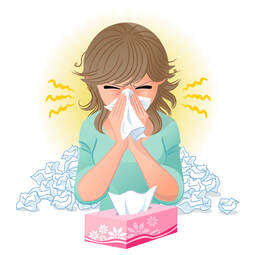
Let’s jump ahead to the unfortunate situation we see in the picture above where those early signals were missed (or, ignored) and, here we are, unable to get out of bed … feeling just awful and the kids are hungry. (Oh, man, I remember those days. So painful!) So, where would one start in this scenario?

​Below are seven MAIN COMPLAINTs, followed by 4 or 5 commonly found remedies with 4 or 5 symptoms each which may help to choose a remedy to get back on your feet quickly. Remember! We are not looking for perfection. We are looking for improvement. We are looking to move the worst symptom out of the way for a minute so you can do what you need to do and then, when that’s done, get back into bed to rest properly.

This is far from a complete flu repertory. The intent here is to put as many remedies as possible in a quick list. Note: All of these homeopathic remedies could (pretty much) be listed under all of the headings. In other words, they are (for the most part) wide-reaching flu remedies.

Choose the worst MAIN COMPLAINT (found in BOLD CAPS) you are experiencing at the moment and then choose the remedy that best fits your current symptoms.

Notes:
  1. All symptoms for each remedy are valid for all main complaints.
    For instance, Bryonia’s irritability mentioned under “Aching Body” still holds for Bryonia under “Coughs” even though it isn’t listed again.
  2. All of these remedies could be listed under all of the headings (pretty much).
    For example, back ache may be relieved after a couple of doses of Nat mur that were taken to address the runny nose and sneezing. 
  3. All of these symptoms may be accompanied by fever* or chills.​
  4. Underlined symptoms are very highly indicated for that remedy/symptom.
  5. In fact, all of these MAIN COMPLAINTS may be present at once. 😩
    (If you are in this unenviable position, choose the one thing that is causing the most distress and begin there.)

Picture
ACHING BODY:​

Arnica
  • shivering
  • worse for exertion
  • head feels hot, body feels cold
  • the bed feels too hard
  • wants to be left alone; says feels fine but is clearly not well.
  • Bryonia
    • worse for motion (every little movement hurts, even the eyes!)
    • worse for eating (there’s a lot of internal motion involved in digestion!)
    • chills may begin in the tips of the toes
    • pain everywhere: limbs; muscles; maddening headache; painful breathing
    • irritable; doesn’t even want to speak
  • Eupatorium perfolatum
    • intense aching in the bones; pains as if broken
    • shivering, especially from drinking
    • bursting headache
    • moaning from pain/complaining
  • Gelsemium
    • tremendous weakness
    • no thirst
    • trembling/shivering
    • apathetic, just doesn’t care; wants to be left alone
    • dizzy, droopy, drowsy, drained
  • Rhus tox
    • physical restlessness/can’t get comfortable; better with change of position/stretching; tossing about
    • stiffness; pain on first movement/better with continued movement
    • severe aching in all the bones/joints, sneezing and coughing
    • anxious


Picture
COUGH:
​
​
Antimonium tart
  • headache with cough, worse in the forehead
  • constant coughing; waking from cough
  • loose, rattling cough with lots of mucus in the chest; difficult to expel the phlegm
  • suffocative cough
  • anger and crying from the cough
  • Bryonia
    • painful cough: ribs, abdomen, chest, back, sides; must hold chest while coughing
    • worse on breathing in
    • coughing fits at night
    • headache on coughing
  • Ipecac
    • nagging and gagging and choking coughs; nausea/vomiting during cough
    • cough after eating
    • exhausting coughs
    • comes in fits /paroxysmal/spasmodic
    • crying during cough; mental restlessness
  • Pulsatilla
    • nausea during cough; retching during cough
    • rattling cough and breathing
    • constant cough; forcible, violent, hard; worse when lying down; must sit up; preventing sleep
    • better in the open air
    • bland coryza/discharge


Picture
FEVER:​
​

Aconite
  • sudden onset
  • high fever*; burning fever
  • with vertigo/dizziness
  • extremely thirsty during fever
  • anxiety; crying; fearful during fever
  • Belladonna
    • red, flushed face
    • high fever*; burning heat
    • worse for any cold: air, draughts, applications, drinks — (but thirsty for cold drinks)
    • throbbing headache with fever
    • fearful, chatty and restless during fever
  • Gelsemium
    • chills alternating with fever; shivering with fever
    • continued fever: high fever* OR low fever
    • thirstlessness
    • weakness
  • Nux vomica
    • with pain: back pain, stomach pain, limbs, eyes, chest; hands may be painful when uncovering during fever
    • movement brings on fever
    • shivering with fever, especially after drinking; with perspiration; aversion to uncovering
    • overly sensitive during fever; aversion to uncovering
    • vertigo wth chill


Picture
GASTRO:​​

Arsenicum album
  • nausea and vomiting worse from anything being put in the stomach (even thinking of food makes it worse); no relief from vomiting
  • stomach pain, nausea during fever
  • burning pains: excoriating diarrhea
  • anxious/restless
  • thirsty for small sips
  • Ipecac
    • constant nausea; diarrhea with nausea
    • vomiting, violent; no relief from vomiting; headache during vomiting; vomiting during cough
    • lots of salivation
    • thirstless
  • Nux vomica
    • nausea and vomiting; lots of retching; feels better from being able to vomit; vomiting with urge for bowel movement at the same time
    • lots of burping; sour burps
    • headache during nausea
    • cramping pains
    • mental dullness; irritability; sensitive; 
  • Phosphorus
    • craves ice cold things/drinks but vomits as soon as those drinks warm up in the stomach
    • exhausting diarrhea; painless diarrhea
    • great weakness after bowel movements
    • lots of burping; burps coming on suddenly
    • fearful


Picture
HEADACHE:​

Belladonna
  • intense, throbbing, bursting headache
  • worse for: coughing; being bumped/jarred; moving head; having head uncovered; lying down
  • comes on suddenly OR comes and goes suddenly
  • an enlarged sensation to the head
  • irritable with headache; overly sensitive
  • Eupatorium perfolatum
    • with vertigo
    • occipital pain and forehead pain
    • heat sensation in top of head
    • pulsations
    • bursting headache
  • Gelsemium
    • headache may improve with urination
    • as if a band or hoop was around head
    • heaviness sensation
    • headache from moving the head
  • Nux vomica
    • with stuffy nose/head
    • with vertigo
    • worse coughing
    • better for wrapping up the head/holding head with hands


Picture
NOSE:​

Arsenicum album
  • copious discharge — it just keeps running — it can be thick or watery; acrid/burning discharge
  • discharge stops when in open air
  • burning pain in the nose
  • sneezing — frequent and violent; sneezing on waking in morning; runny nose with sneezing
  • pain in the root of the nose (way up at the top, near the forehead)
  • Kali bich
    • discharge: ropy, tough, sticky; greenish/yellow; tenacious; post-nasal
    • nostrils sensitive
    • obstructed nose; worse blowing nose
    • pain extending to frontal sinuses
    • crusts/scabs inside the nose
  • Lycopodium
    • stuffed/blocked nose
    • acrid discharge
    • flares the nostrils in a fan-like way
    • nostrils agglutinated/stuck together
    • sensitive to odors
  • Natrum muriaticum
    • sneezing: in the morning; paroxysmal — coming in fits; frequent; from uncovering
    • discharge: clear, like egg whites OR watery; copious; post-nasal
    • dryness inside the nose
    • obstructed nose
    • sense of smell diminished
  • Nux vomica
    • stuffed nose/obstructed at night, runny during the day; stuffiness alternates between nostrils
    • loss of smell from stuffy nose
    • better in open air
    • sneezing: with a runny nose; in the morning, in bed; with vertigo; makes headache worse


Picture
SORE THROAT:​

Causticum
  • rawness and tickling with cough; rough and scratchy
  • continuous swallowing
  • lots of mucus in the throat; thick and sticky; hard to cough up, must swallow it
  • hoarse voice; sore throat from overuse of voice
  • Lachesis
    • worse swallowing saliva or liquids; swallowing solid food is easier/helpful; warm drinks aggravate
    • pain extends into the ears; pain in ears with sore throat
    • constricting feeling
    • touching the outside of the throat causes pain; clothing aggravates
    • worse on waking
  • Lycopodium
    • burning pain; rawness; dryness in throat without thirst
    • choking on swallowing
    • painful swallowing; better by swallowing warm liquids; worse swallowing cold drinks
    • tickling in the throat
    • dryness
  • Phytolacca
    • sharp pains which extend to one or both ears
    • thick, difficult mucus/tenacious
    • feels as if hot ball stuck in the throat
    • swallowing difficult/painful especially worse for drinking hot liquids
  • Rhus tox
    • better from constant swallowing; warm drinks
    • difficulty swallowing solids
    • hoarse voice; from overuse
    • better with external neck covered
    • sore throat with stiff neck; stiffness sensation in throat


It’s important to remember that there are many, many homeopathic remedies for each of these main symptoms. This is just a brief list which may help to get dinner on the table or that important email answered.


Julia Coyte, CHom
Classically Practical homeopath


#wellnessawaits


* Be sure to seek treatment if the fever is very high, continues to climb or is accompanied by seizure or fainting or severe headache or stiff neck (to name but a few concerning symptoms). For more information:
  • Johns Hopkins Medicine
  • Mayo Clinic
  • Merck Manual

If you have already been through the worst of the flu, check out “Get Well Soon” to find a few helpful tips on recuperating.

Share

9/6/2024

The Doo-Doo Documents 3: Diarrhea

Read Now
 
Picture
No matter what you want to call it … (if you’re squeamish, just know we’re talking about diarrhea and skip forward to the next paragraph). If toilet humor is your thing, here we go: Number 3, Chocolate Thunder, Poo Stew, Rectum Rapids, Turd Tea, Emergency Evacuation, The Squirts, Brown Bomb, Liquid Lunch, Poop Soup … I’ll stop now. (If you would like a few more unseemly names, see Travelers’ Diarrhea.)

Don’t worry, I won’t continue with the graphic descriptions. What follows is a long list of situations where one might experience diarrhea and the most highly indicated remedies for each.

Once again, if you are experiencing diarrhea beyond an acute bout, please seek professional medical advice.

Before embarking on my long list of unfortunate bottom-related circumstances, let me share one of my first amazing homeopathic "wowee!" moments. We were traveling and my then young teenage son was very sick in the night with suspected food poisoning. I was hemming and hawing, trying to remember what I had learned about remedies. I went with Veratrum album and within minutes everything stopped. I mean, everything completely stopped. He slept the rest of the night and woke up fine and dandy. “Better out than in” is what we say around here! As a result of this experience, I keep a little vial of Veratrum album in my little travel kit that accompanies me every time I leave the house with my suitcase.

Veratrum album is my go-to homeopathic remedy for if things are coming out of both ends. What else may point to the use of this remedy? The diarrhea (or vomiting) may be violent, voluminous and relentless. Collapse following diarrhea (not the only well indicated remedy in this rubric, but a good place to start). The person may be cold: cold limbs, generally chilly, and/or clammy. Diarrhea with perspiration. Diarrhea after eating fruit; diarrhea after eating cucumbers (technically a fruit, after all). Diarrhea during menses. Diarrhea which is made worse by movement/motion (Bryonia is another one to think of for this symptom). And, here’s one more unusual concomitant symptom for Veratrum album: hiccups during diarrhea. Isn’t that just what you need in that situation?!

Children & Diarrhea:
If you have an infant with diarrhea, administer Podophyllum on the way to see the doctor — dehydration can set in quickly.

Diarrhea while cutting teeth: Chamomilla. Chamomilla is such an excellent remedy for children, in general, and it doesn’t let us down in this situation, either (but these symptoms are not confined to children. With everything homeopathy, if the symptoms match, the remedy would be effective for man, woman, child or animal. Diarrhea with abdominal pain. Diarrhea: following anger; after taking a cold; after eating and, specifically after eating rhubarb. Emotional diarrhea or from excitement. During hot weather. Painless diarrhea. And, here is a rubric unique to Chamomilla (but hopefully you wouldn’t find this in a child!): diarrhea after smoking.

The Elderly & Diarrhea:
Like children, the elderly, too, have some remedies with great affinity to their age. In this particular situation, I would lean toward China officinalis.

China is so good for enfeebled people, as can often be found in the later years. In particular, China is useful for weak digestion; dyspepsia/indigestion; flatulence; chronic belching.

Dysentery, in simple terms, involves frequent bowel movements with blood and mucus in the stool, often accompanied by cramps and pain. Give some China while on the way to see a doctor. Please seek medical assistance if you are experiencing these symptoms.

If diarrhea and constipation alternate in older individuals, consider Antimonium crud.

On to the general list…

If experiencing abdominal pain, and it feels like diarrhea is imminent, Aloe would be my first recommendation. There may be accompanying weakness. Diarrhea after eating and in particular, diarrhea following the slightest dietary indiscretion. Walking makes it worse. Lots of toots during the diarrhea.

There are a few rubrics where Aloe and Sulphur “tie” when it comes to diarrhea: burning pain in the rectum; being driven out of bed in the morning, needing the toilet desperately (Sulphur has the specific times of 5-6 am); painless diarrhea; standing makes it worse.

Where Sulphur “wins out” over Aloe: diarrhea after beer and nighttime diarrhea, especially after midnight.

If the diarrhea alternates with another symptom, such as:
  • rheumatism: Kali bich
  • a heat sensation in the head: Belladonna
  • headaches: Podophyllum
  • asthma, especially at night: Kali carb
  • diarrhea every other day: China

Diarrhea and emotions:
  • after anger: Colocynthis
  • after anticipation/anxiety: Argentum nitricum or Gelsemium. If nausea is part of this picture, also consider Nux vomica.
  • feeling cheerful despite chronic diarrhea: Calc carb, which is a little unusual when it comes to elimination — they don’t mind being constipated and apparently chronic diarrhea doesn’t bother them, either!
  • irritability: Bryonia
  • with mental restlessness: Arsenicum album

Feeling wiped out after all that wiping? China is a good place to start. If the weakness is particularly pronounced, also consider Phosphoric acid. If the act of wiping actually causes pain: Graphites.

Diarrhea during pregnancy: Phosphorus

Diarrhea during menopause: Lachesis

Diarrhea following an injury: Arnica

If it’s coming out as from a hydrant: Podophyllum

If it has a really noxious smell: ​Baptisia

Diarrhea following the consumption of:
  • after a debauch: Nux vomica
  • ice cream: Arsenicum album or Pulsatilla
    • if ice cream after diarrhea makes you feel better: Phosphorus
  • chocolate, sugar or sweets: Argentum nitricum
  • pastries: Pulsatilla

If you find your appetite increases with diarrhea: Petroleum.

Cold hands with diarrhea: Phosphorus
Cold feet: Lycopodium
Cold limbs: Arsenicum album, Camphora and Veratrum album

Positionally speaking:
If lying down make it worse: Dioscorea
If lying down makes it better: Bryonia (though it may be worse lying on your side)
Sitting upright makes it worse: Bryonia

Time of day:
If it starts after you have risen from bed and moving around: Bryonia or Nat sulph
After midnight: Arsenicum album or Sulphur
If the diarrhea causes sleeplessness: Phosphorus

I changed my mind. I will use one more dysphemism: the sharts, also commonly referred to as “gambled and lost” (Flanagan 2010). If you are having diarrhea during rectal flatus, there are a number of well indicated remedies, but I would start with Aloe — the remedy for an insecure rectum (click that link to read the previous article with the same name.)

What would cause an “insecure rectum?” Let’s go back to Giulia Enders’ Gut for this explanation. Apparently we have a pair of “sophisticated” sphincters which Enders takes a few pages to explain and I am going to try and shrink it down to the bare essentials using her words, (but her full explanation is certainly worth a read). “The outer muscle is a faithful servant of our consciousness. When our brain deems it an unsuitable time to go to the toilet, the external sphincter obeys and stays closed with all its might. … Our internal sphincter is a no-nonsense little guy. His motto is, ‘If it’s gotta come out, it’s gotta come out!’ … The external sphincter, on the other hand, has to deal with the vagaries of the outside world and its many options.” Suffice it to say, we need these two sphincters to communicate well.

A few more remedies for involuntary stool (not necessarily diarrhea):
  • on bending over/stooping: Ruta
  • during coughing or sneezing: Phosphorus or Sulphur
  • on laughing: Sulphur
  • on moving: Phosphorus or Phosphoric acid
  • on beginning to move: Rhus tox
  • during sleep: Podophyllum
  • on walking: Aloe

As you can see, homeopathy can be invaluable when it comes to diarrhea — there is a homeopathic remedy for almost any situation!

​
Julia Coyte, CHom
Classically Practical homeopath

#wellnessawaits

References:

Enders, G., 2015. Gut : the Inside Story of Our Body’s Most Underrated Organ. Greystone Books.

​Flanagan, D., 2010. Everybody poops 410 pounds a year : an illustrated bathroom companion for grown-ups. Berkeley, Ca: Ulysses Press.

Murphy, R., n.d. Homeopathic Remedy Guide. accessed through Radar Opus software.

Share

4/7/2024

Allergic Eyes

Read Now
 
Picture
I am so not amused. The winds are picking up and I am really missing my Similasan eye drops. The powers that be in the USA have removed the choice of using these eyedrops from us. When they removed them from the store shelves in 2023, they did so without cause, as far as I’m concerned. They didn’t cite any adverse reactions to these eye drops. In fact, they didn’t even cite a single case of anything negative. Not cool.

So, what do we do without access to this really helpful product?

Fortunately, homeopathic remedies work on the entire system — eyes included. The Similasan eye drops may feel delightful when you use them, but the drops are not a required method of delivery for the homeopathic remedies to address the eyes.

There are 5 homeopathic remedies that I think of right off the bat when someone comes to me for help with their allergic eye symptoms:
  • Euphrasia
  • Pulsatilla
  • Natrum muriaticum
  • Apis
  • Allium cepa
Euphrasia is hands down the first homeopathic remedy I turn to for allergic eye discomfort -- actually, for any eye discomfort. In my list of 21 various eye symptoms that I used to compare these remedies for this article, Euphrasia is highly indicated in all but 2: bland tears and the desire to rub the eyes. (All 5 remedies are indicated in 6 of my symptom list: Bloodshot eyes, burning pain, inflammation, lachrymation, and light sensitivity. For the following symptoms, where multiple remedies are indicated for each symptom, I have underlined the remedy which is more highly indicated for each symptom.)

If you are suffering from bland tears — tears that do not burn and bother — your best bet is Allium cepa or Pulsatilla.

If your eyes feel like there is dust or sand in them: Euphrasia or Nat mur.

If your eyes are stuck together or the eyelids are sticky: Euphrasia or Pulsatilla.

If the pain in your eyes is a stinging pain: Apis, Pulsatilla or Euphrasia.

If the pain in your eyes causes you to wink and blink: Euphrasia or Apis. (If the sun causes you to wink and blink, look to Nat mur.)

If your eyes feel filmy: Euphrasia or Pulsatilla.

If your eyes feel dry: Nat mur, Pulsatilla or Euphrasia.

Aching pain in the eyes: Pulsatilla is your best bet. (If you have aching pain above your eyes, try Allium cepa.)

If the removal of homeopathic remedies from the store shelves irks you like it irks me, go to Americans for Homeopathy Choice and use their handy-dandy, easy-to-use form to send a message to congress and let them know you would like to have the option to purchase these safe and effective eyedrops once again.

Until that time, go the old-fashioned homeopathic route and try one of the above mentioned remedies which best match your symptoms.

If you suffer from more than just the occasionally irritated eyes from allergies, I highly recommend contacting a professional homeopath to see how they can help.


Julia Coyte, CHom
Classically Practical homeopath


#wellnessawaits

Share

1/13/2024

Betrayal

Read Now
 
Picture
There is no shortage of books and movies about betrayal. These are the plots that make us gasp out loud at the audacity of the baddies or weep for the wrong that has been done to someone. The Fugitive, Oppenheimer, The Beach (the book was much better), Au Revoir les Enfants, The Kite Runner, Julius Caesar (and many other Shakespeare plays)… spy movies and gangster movies all seem to have some level of betrayal in them. Heck, probably most popular fiction and movies portray  disloyalty, backstabbing, treachery, treason and unfaithfulness. 

There is a reason why betrayals make for great novels and movie plots and that’s because we have all experienced it at some point in time and we can all empathize with what we’re seeing/reading.

In a movie or book, sometimes we can see it coming. In real life… Boom! We never see it coming; even if we saw it coming in hindsight, we never see it before it’s there.

Betrayals are sometimes big and clear cut, like an extramarital affair and sometimes they are little, like promises broken to a child. Even if it seems like “nothing” from the outside, it can sit heavily on the one who feels they were betrayed. It's not unusual to carry that heavy weight along with them for years.

How can homeopathy help? Well, let’s look at the results for someone who feels betrayed.

Children may display their effects through anxiety, depression, anger, nightmares or even physical pain like stomach aches. 

Betrayed adults may suffer from intrusive thoughts or anger or sadness, even deep depression, and, adults, too, may find their feelings translated into physical symptoms like stomach pain or insomnia.

The long and the short of it is, however, these effects can stick around for a long time and homeopathy can help clear out this unpleasantness. (Since the reaction to a betrayal is so individual, I highly suggest working with a professional homeopath so your specific symptoms can be addressed properly.)

Nat mur comes to mind because ultimately what is often experienced after such an experience is sadness. I’ve written a few times about Nat mur and sadness: Happy Pills, Musical Resonance, The Big Goodbye.

Pulsatilla is another remedy that sounds about right. Pulsatilla is known for feeling forsaken and being betrayed certainly falls under the definition of forsaken: to be or feel abandoned. 

Calvin Knerr’s Repertory of Hering’s Guiding Symptoms lists: "as if slapped in the face." That sounds about right, too. Pulsatilla is the only remedy listed in that rubric.

Ailments from being alone. Exaggerated anxiety with palpitations or anxiety felt in the stomach. Depression and apathy. Beside oneself. Desires to be carried or caressed. Clinging behavior. A strong need for company and if that company offers consolation, they find that very helpful. (This desire for consolation and company is the opposite to Nat mur, fyi.) Crying makes them feel better and they may feel like crying all the time. Loneliness. Feelings of mourning. 

Ailments from being deceived and feeling dejected. 
Ailments from disappointments.
Ailments from grief.

Elisabeth Kübler-Ross talks about the five stages of grief, DABDA: Denial, Anger, Bargaining, Depression, Acceptance. Pulsatilla is a bold-type remedy for bargaining. 

The betrayal doesn’t have to be fresh. Homeopathic remedies can help clear out old icky feelings, too.

Life is too short to stay focused on the bad. Try homeopathy and see if it can help you re-focus on the good.


Julia Coyte, CHom
Classically Practical homeopath


#wellnessawaits

Share

9/23/2023

Cicadas

Read Now
 
Picture
As summer winds down, the cicadas seem to be winding up. Boy, they have been noisy this year! When they take a break, the silence makes me realize that living with something like tinnitus must be very trying, indeed!

Tinnitus (National Institute on Deafness and Other Communication Disorders 2018), the perception of outside noise when no actual external stimulus is causing the sound, affects 15-20% of people of all ages but it is especially common in older adults. Sometimes there is an underlying cause that can be addressed to fix the tinnitus, but usually, treatments to make the tinnitus less noticeable are used (things like hearing aids, sound generators). Common causes are hearing loss, ear infection or ear canal blockage, head or neck injuries and medications (Mayo Clinic 2018).

Like so many chronic conditions, we are told there is no cure. Half the people who experience tinnitus do not have measurable hearing loss. A small percentage of people suffering from tinnitus experience serious debility in their daily lives (Prutsman 2023).

Homeopathically speaking, there are some remedies that can help though it’s not usually a quick fix, so be prepared to be patient. 

There are a lot of rubrics and remedies associated with hearing noises in the ears — some of them quite specific as to the sound (for example, hearing bagpipes in the distance — Nat carb) or, specific circumstances or specific times of day when the noises occur.

A few remedies pop up more often than others: Petroleum, Lycopodium, and China officinalis, in particular. There is a theme amongst these remedies of sensitive hearing, hyperacusis, which is a common complaint of tinnitus sufferers (Hebert et al. 2013). It never ceases to amaze me how homeopathy figured this stuff out a hundred plus years before the research was done! 

Petroleum is associated with chronic eustachian catarrh, (mucus or gunk in laymen’s terms). Conversely, there may be a dryness or a disagreeable feeling of dryness in the ears. There may be itching deep inside the ear or, diminished hearing in general. There could be an over-sensitiveness of not only hearing, but also of touch and smell, too.

Impaired hearing with noises in the ears; impaired hearing in old people or, progressive hearing impairment.

The sounds which may be heard for which Petroleum may be of benefit: bells; humming; constant roaring or rushing water; cracking; whizzing or the sound of wind.

Lycopodium may help when there is a swelling of the ear with discharge. Perhaps, a sensation as if hot blood has rushed into the ears.

Impaired hearing with discharge from the ear. Sensitive to noises and sounds, particularly music.

The noises which may be helped with Lycopodium are: roaring, humming, whizzing and rushing.

China officinalis is for a great over-sensitiveness of the nervous system — all sights, smells, hearing and taste are too strong. The external ear may be sensitive to touch.

Impaired hearing with constant noises in the ears, possibly with a headache.

The noises which may be helped by China officinalis are humming; ringing, especially with an accompanying headache; roaring; ticking as of a distant watch; buzzing; noises as if hearing singing.

Back to the bagpipes of Natrum carbonicum… this remedy isn’t as prominent as the remedies listed above, but there are some interesting things associated with it.

There may be a stopped sensation with diminished hearing. Sensitive hearing, particularly to music - they can’t bear it or, the rumpling of paper.

Bubbling noises or as if a bubble is bursting; sounds seem to come from the left side when they really come from the right; and, the illusion of hearing singing. And, though they can’t stand hearing music, they have the delusion they are hearing music — that must be frustratingly awful!

A list of a few noise rubrics and some corresponding remedies:
  • If you hear noises in your ears when blowing your nose: Calc carb or Hepar sulph.
  • Buzzing is a big one with a lot of possibly indicated remedies, but some good places to start would be Argentum nitricum, China off, Lycopodium, or Nux-vomica.
  • If the noises occur only at night, try Dulcamera or Graphites.
  • Cracking sound: Kali carb or Petroleum.
  • In bed, or, lying down makes it worse: Sulphur
  • Hearing noises during a headache: China off.
  • Humming: China off, Lycopodium, Phosphorus or Sepia
  • Difficulty hearing with the noises: Causticum or Lycopodium
  • Rushing water: Chamomilla
  • Boiling water: Lycopodium
  • As of wind: Petroleum
  • If it is synchronous with the pulse, it’s an easy one to remember: Pulsatilla, or, Puls for short.

Book a focused consultation and see if we can take the focus off those noises for you.

Julia Coyte, CHom
Classically Practical homeopath

#wellnessawaits

Reference list
Cleveland Clinic, n.d. Tinnitus: Causes, Treatment & Prevention [online]. Cleveland Clinic. 

Hebert, S., Fournier, P. and Norena, A., 2013. The Auditory Sensitivity is Increased in Tinnitus Ears. Journal of Neuroscience [online], 33 (6), 2356–2364. 

Mayo Clinic, 2018. Tinnitus - Symptoms and causes [online]. Mayo Clinic.

​National Institute on Deafness and Other Communication Disorders, 2018. Tinnitus [online]. NIDCD. 

Prutsman, Dr. J., 2023. Tinnitus [online]. Sound Relief Tinnitus & Hearing Center. 

Share

11/23/2022

Gobble Gobble

Read Now
 
Picture
It’s turkey time!

If it were only the turkey, overeating probably wouldn’t be much of a thing. Add in the mashed potatoes and the stuffing (the name alone says it all!), the sweet potatoes covered in marshmallows  (I’ve never tried it, but it doesn’t sound like my thing) and all the pies… now, we’re getting somewhere that ends up in overeating!

There’s not much sense in suggesting to go easy at the Thanksgiving table, but let’s see what we can do to mitigate the damage, shall we?

Before we get to homeopathy, let’s start with some Bach Flowers and see what we can do to pre-empt the debauch.

Cherry Plum to help control your behavior (both food-wise AND inter-relationally!)

Elm, especially if you’re the one cooking and preparing and hosting the big day -- there's a lot to do!

Honeysuckle if you find yourself stuck in memories of the past and having a hard time being present.

Olive if you’ve been over-doing it in the pie-making department and need a little more oomph to get you through.

OK, we’ve made it through the meal prep and the food itself and you didn’t have your Cherry Plum handy to help keep your appetite in check. What now?

Nux vomica for too much. Too much food. Too much football. Too much familial politics. All that too much has left you irritable!

Carbo veg is full of gas. Lots of burping, and that helps but, it’s not enough. Stepping outside for some fresh air helps, too.

Pulsatilla if your overdoing it was focused on ice cream, whipped cream, dairy and fats.

Nat phos for indigestion.

Arsenicum album if the indulgence has left you with burning pains. Or, if you find yourself suffering from food poisoning.

Lycopodium for bloating and gas. Better out than in!

Let’s take these last two remedies one step further and use the Banerji protocol of Lyco/Ars. Lycopodium 200c mixed with Arsenicum album 3c. It does wonders!

I wish you a very Happy Thanksgiving!


Julia Coyte, CHom
Classically Practical homeopath


#wellnessawaits

Share

10/15/2022

Hot Flashes

Read Now
 
Picture
​Did you know that October 18th is World Menopause Day? (Nor did I.)

The International Menopause Society says it is, so it must be true. The IMS have a goal “to work globally to promote and support access to best practice health care for women through their menopause transition.”

A good goal, to be sure. I certainly hope they include homeopathy in their best practices!

This year, IMS is focusing on Cognition and Mood associated with menopause. Their website provides a leaflet on Menopausal Brain Fog with some interesting data, if you’re curious.

Brain Fog is a complaint I hear often from women of a certain age and I addressed it here where I shared the Banerji Protocol for menopausal brain fog — an excellent place to start for “Cognition and Mood” during menopause. Protocols don’t address every condition for every person, so if you try the protocol and don’t get any joy, work with a professional homeopath to relieve your specific condition.

Homeopathic remedies can be very helpful in relieving the symptoms of menopause and peri-menopause in general. In addition to brain fog, hot flashes are right up there in common complaints.

Homeopathic Ammonium carb may address some level of hot flashes, especially when there is heat in the face and/or sweaty feet. Becoming heated can cause aggravation or even result in a headache. Unlike some of the remedies that follow below, Am-carb women may have an aversion to open air.

Lachesis is my “go-to” remedy for hot flashes as I have seen some pretty amazing things happen when women suffering from hot flashes use homeopathic Lachesis. Hot flashes may be more intense around the head and neck while their hands and feet remain cold. They have no tolerance for warm and stuffy rooms; craving cool, fresh air. There is also very little tolerance for tight or constricting clothing, especially around the neck or waist. All symptoms may be worse on waking. Because of this, falling asleep may be daunting.

Sepia can be cold during the day and hot during the night resulting in drenching sweats only to end up chilly again. These sweats may also show up from minimal physical effort. Hot flashes may begin down low and move upward. Women benefitting from homeopathic Sepia often suffer from low energy but are energized through exercise.

Pulsatilla hot flashes may be experienced when anxious or upset. Open windows with fresh air are are needed all the time…, they feel better outdoors. Constant fluctuation between being too hot and too cold. This changeability may be found elsewhere: mood swings, constantly changing bowel habits and wandering pains.

Sulphur is kind of the “mother of all hot flashes.” They are warm all the time and rapidly overheat. These flashes can be very distressing and may be followed quickly by chilliness. In general, homeopathic sulphur has irregular heat distribution throughout the body. They may also find some parts are hot while other parts remain cool. They have a tendency to sweat excessively, especially around the head, feet and armpits and this sweat may be strongly odiferous. They are too hot for covers at night, especially the feet, and may also suffer from rashes, which are worse from heat.

The experience surrounding menopause can last for many years — the perimenopause leading up to, the menopause itself as well as the years following the cessation of periods. That’s potentially a very long time to be suffering needlessly. Do yourself a favor and try some homeopathy.


Julia Coyte, CHom
Classically Practical homeopath


#wellnessawaits

Share

8/15/2022

The Road Less Traveled

Read Now
 
Photo by brut carniollus on Unsplash
Picture
Headaches are tough. They’re tough to live through and they can be tough to help homeopathically speaking because there are so many variables in headaches.

I woke up with a cracking headache the other day. This headache was so bad that I, the homeopath who has not had so much as a Tylenol in 10 years, considered for just a brief moment, taking some over the counter (OTC) medicine.

Why not take that route? It’s so easy! What harm can it do? Let's take a quick look at why OTC meds might not be the best option.

If you take any conventional meds, prescribed or otherwise, I highly recommend you spend a little time at drugs.com. They do a nice job of explaining the “side effects” and other important information that one should know when one is ingesting substances. (All of the below information comes from drugs.com unless otherwise noted.)

The two most common OTC meds for headaches are acetaminophen (e.g. Tylenol) and NSAIDs (a.k.a. ibuprofen, e.g. Advil).

Acetaminophen use in the US is shockingly high. 40% of adults reported using it monthly and 23% weekly and it is the most common cause of acute liver failure. Acetaminophen is also the most common cause of both intentional and unintentional poisoning in the US (Dimitropoulos 2014).

Finding statistics on who uses ibuprofen and how often was not so easy. The nearest I came was to find that “approximately 70% of people 65 years or older use NSAIDs at least once per week” (Fine 2013).

NSAIDs and acetaminophen both:
  • Can be dangerous when combined with alcohol (Anderson 2022)
  • Can cause an upset stomach
Acetaminophen: Very common (10% or more): Nausea (up to 34%), Vomiting (up to 15%)
Ibuprofen: Very common (10% or more): Nausea (up to 57%), vomiting (up to 22%), flatulence (up to 16%), diarrhea (up to 10%)
  • Can cause cardiovascular issues
Acetaminophen: Common (1% to 10%): Peripheral edema, hypertension, hypotension, tachycardia, chest pain
Ibuprofen: Very common (10% or more): Hemorrhage (up to 10%), hypertension (10%), hypotension (10%)

Using these OTC meds frequently for headaches can also result in rebound headaches (Freeland 2020).

For years, doctors have been recommending acetaminophen over NSAIDs during pregnancy, but now we’re learning that exposure to this is linked to higher rates of ADHD and autism (National Institutes of Health 2019; Alemany et al. 2021; Cleveland Clinic 2022).

An added risk of using acetaminophen is that it is commonly used in other drugs (e.g. Theraflu, Alka-Seltzer Plus Liquid Gels, Vicodin, Percocet). If you take a Tylenol in addition to taking one of these other meds, it could result in a fatal overdose (Bates 2016; Harvard Health Publishing 2018).

After just a short while looking into these “safe” OTC medicines, I realized this could become a very long article, so I will stop here. (I really didn’t even look into risks for children (Ogilvie et al. 2012), though I’m sure they are just as bad, if not worse than for adults.) I will say this, though: I am even more pleased with my decision to not take the well trodden OTC painkiller route after my little internet exploration. Risking gastrointestinal bleeding or liver disease to get rid of a headache? No, thank you. I’ll pass.

What route did I take? I took the road less traveled… Homeopathy, of course!

Before I get to the homeopathic remedies for headaches, please note that some headaches definitely warrant medical assistance:

  • Headache with a high fever
  • Headache following a head injury
  • An extremely bad headache — pain like you’ve never experienced before — that has come out of nowhere
  • A headache that affects your speech or vision
  • A headache that affects your memory or you find yourself confused

As I mentioned in my article Garbage In, Garbage Out, everybody experiences headaches differently. Your headache is not the same as your neighbor’s headache.

Why do we get headaches? Good question. The reasons are plentiful: Stress and tension can cause headaches. Emotions can cause headaches. Crying can cause headaches. Drinking alcohol can cause headaches. Certain foods for certain people can cause headaches. The weather can cause headaches. Hunger can cause headaches. Physical issues, like sitting at a desk all day, can cause headaches. Dehydration can cause headaches (see, Summer Fun #5: Dehydration). Menses can cause headaches. And, homeopathy in all its wisdom takes all of these possible causations into consideration when selecting a remedy. (Some of these conditions are chronic situations and seeking the advice from a professional homeopath may be necessary to help figure your headaches out.)

As in everything homeopathy, the symptoms, or how you experience the headache, are the key to finding the right remedy for you.

NOTE: A 30c potency is a good place to start. If no change occurs, repeat the remedy 15-20 minutes later. If there is any amelioration, stick with the remedy. We are not looking for perfection, we are looking for improvement. If you are NO better after a couple of doses, take another look at the symptoms and try another remedy. As I said earlier, headaches can be very tricky, especially when you are in the middle of one. (If you have somebody nearby who can help you figure it out, all the better.) Don’t get discouraged. The long-term benefits of kicking the OTC habit are worth it. If you have to succumb to an OTC, try and take note of what you were feeling and see if you can match up a remedy for the next time you get a headache.

Please note also that this is not an exhaustive list of headache remedies. This is just a quick look at a few common homeopathic headache remedies which should be readily available in most household homeopathic kits or in your local health food store.

Bryonia is the “grumpy bear” remedy. Grumpy because every movement you make hurts — it even hurts to move your eyes. It hurts to be touched. Every noise somebody else makes hurts. A splitting headache — as if the head would split right open or pain right across the forehead. Thirsty, thirsty, thirsty for big gulps of water. Constipation may be present. Firm pressure on the head can help as can a nice, cool cloth across the forehead. Bryonia is an excellent flu remedy and is also good for injuries and back pains, neck & shoulder pains; too much sun and coughing. 

Belladonna — sudden onset. Throbbing, pounding pain. In the temples or extending from temple to temple. Fullness in the head — a congestive headache. Your head may hurt so much that it hurts to touch your scalp. A couple of keynotes for Belladonna in any condition: sudden onset. Hotness. Redness. (See, Summer Fun #1: Sun.) They don’t want any noise or light or anyone to bump that bed they are on. A Belladonna headache feels better with pressure — pressing on your head can help the pain. Headaches from coughing or sneezing.

Gelsemium: Headache with the sensation as if there were a tight band around the head. A distressing headache. Pain beginning in the neck and extending up and all over the head. A good remedy for headaches with the flu. Can’t keep the eyes open. Headache from nervousness — anticipatory anxiety. Or, a headache that came on after hearing bad news. They feel better when keeping their head raised up when lying down. Their brain may feel sore. A fascinating symptom of Gelsemium is the headache can feel better after urinating. They want to be left alone, but unlike Bryonia, they have no thirst.

Ignatia: Headaches from emotions: shock, sadness, grief, worry or anger. From the outside, they may seem oversensitive to the pain; they may even be hysterical. Pain as if a nail is driven into the side of the head. Or, a headache felt along the sides of the head. A heavy feeling in the head. Pulsating sensation over the eyes. They may have a very focused headache, just in one spot. Strong smells, especially tobacco smoke, can bring on a headache. Wrapping the head up may feel good.

Natrum muriaticum: headaches from grief and disappointed love. Headache as if being hit by dozens of tiny hammers beating on your brain. A bursting headache. A heavy sensation in the back of the head. May feel a band or hoop sensation around head. Headache as if from a blow to the head. Feels as if they must lie down. A headache on one side of the head. Eyes are sensitive to light and there may be visual disturbances. They are worse from the sun.

Nux vomica for headaches from too much (see, Too Much!) — too much alcohol, too much sugar, too much sun, too much work, too much food. Too much can also mean not enough of something else: not enough sleep, not enough emptying of the bowels (constipation). Headaches from toxic substances, street drugs as well as prescription or over the counter medicines. Or, a headache that feels as if it’s from intoxication, without imbibing the toxic substance itself. Unable to raise the head. Head feels swollen. These people can be miffed — angry and frustrated. The pain can be in the back of the head or over the eyes. As if a nail has been driven into the top of the head. Headache all over the head. Splitting headache. Dizziness, especially on rising. The head may be sensitive to cold air or drafts of air. Headache from tooth pain. Nux vomica is also good for colds and stuffed up noses, so if your headache is coming from that, this could be a good choice.

Pulsatilla: Headache from overeating, especially fats. Hormonal headaches. Headaches experienced during puberty. Throbbing. Heavy head — hard to hold it up. A bubbling sensation in the head or noises in the head. Bending the head to one side may feel good. They must lie down while keeping their head raised. A one-sided headache. Oversensitivity, weepiness and craving company and with no thirst — all big keynotes for Pulsatilla. They feel better in open air and while rubbing their head or from wrapping their head. Coughs make it worse. Shooting pains or wandering pains.

Sanguinaria: A “sick headache” with nausea and possibly vomiting. The pain is focused in or around the right eye. It can be a quick pain — a flash of pain on the back of the head. The eyes may feel like they’re being pressed out. Forehead pain, just above the eyes. The pain improves from sleep. Nausea. Dizziness. Vomiting and feeling better from vomiting. Bursting pain.

Silicea. Lingering headaches following an illness. An occipital headache, sitting right there at the back or your head or, starting in the occiput and traveling up and over the head. May feel nauseous and vomit. Cold, clammy sweat on the forehead. Talking makes them feel worse. Constipation and straining can cause this headache. A headache from cold exposure to the head. Head pain resulting from a toothache. May feel better from binding the head. Conversely, a headache that has been brought on from having the head bound may respond well to Silicea. Like Gelsemium, the headache can improve with urination.

Children with headaches may respond well to Calc phos 3x. Older children may respond well to Nat Mur or Ignatia.

So, what did I take for my headache?
Bryonia first, which removed the debilitating pain and I could then focus more clearly on what I was feeling. Almost immediately, I noticed how nauseous I was. Was I nauseous before? Maybe, but it certainly wasn't pronounced enough for me to notice it. Then, sitting by an open window trying to get some work done, the nearby construction noise was absolutely intolerable — really irking me. Aha. Irritability and nausea = Nux vomica. Within an hour, the bulk of the headache was gone and by afternoon I felt absolutely good to go -- as if I never even had a headache.

Was it harder to take homeopathy rather than popping an OTC? Maybe, but only because it required me to think about my symptoms. But, to me, it was absolutely worth it. With homeopathy, there are no side-effects, no rebound headaches, no possibility of long-term damage (Habs and Koller 2021; American Association of Homeopathic Pharmacists 2022). And, bonus, homeopathy has been known to help uproot the underlying cause of the existing condition, thereby lessening the frequency and intensity in the future, especially in chronic conditions.

"I took the one less traveled by,
And that has made all the difference.”
Robert Frost

​Julia Coyte, CHom
Classically Practical homeopath


#wellnessawaits

Reference list 
Alemany, S., Avella-García, C., Liew, Z., García-Esteban, R., Inoue, K., Cadman, T., López-Vicente, M., González, L., Riaño Galán, I., Andiarena, A., Casas, M., Margetaki, K., Strandberg-Larsen, K., Lawlor, D. A., El Marroun, H., Tiemeier, H., Iñiguez, C., Tardón, A., Santa-Marina, L. and Júlvez, J., 2021. Prenatal and postnatal exposure to acetaminophen in relation to autism spectrum and attention-deficit and hyperactivity symptoms in childhood: Meta-analysis in six European population-based cohorts. European Journal of Epidemiology [online]. 

American Association of Homeopathic Pharmacists, 2022. FAQs [online]. The American Association of Homeopathic Pharmacists. 

Anderson, L. A., 2022. Pain / Fever Drugs and Alcohol Interactions [online]. Drugs.com. Available from: https://www.drugs.com/article/pain-medications-alcohol.html

Bates, A., 2016. Acetaminophen Intoxication: A Critical-Care Emergency [online]. Uspharmacist.com. 

Cleveland Clinic, 2022. Does Acetaminophen Heighten Risk for Autism or ADHD? [online]. Cleveland Clinic. 

Dimitropoulos, E., 2014. Acetaminophen Toxicity: What Pharmacists Need to Know [online]. Uspharmacist.com. 

Drugs.com, 2018a. Acetaminophen [online]. Drugs.com. 

Drugs.com, 2018b. Ibuprofen [online]. Drugs.com. 

Fine, M., 2013. Quantifying the Impact of NSAID-Associated Adverse Events [online]. AJMC. 

Freeland, M. N., 2020. Migraine Medication Overuse and Rebound Headaches - GoodRx [online]. GoodRx. 

Habs, M. and Koller, M., 2021. Material Risks of Homeopathic Medicinal Products: Regulatory Frameworks, Results of Preclinical Toxicology, and Clinical Meta-Analyses and Their Implications. Complementary Medicine Research [online], 28 (1), 64–84. 

Harvard Health Publishing, 2018. Acetaminophen safety: Be cautious but not afraid - Harvard Health [online]. Harvard Health. 

National Institutes of Health, 2019. NIH-funded study suggests acetaminophen exposure in pregnancy linked to higher risk of ADHD, autism [online]. National Institutes of Health (NIH). Available from: .

Ogilvie, J. D., Rieder, M. J. and Lim, R., 2012. Acetaminophen overdose in children. Canadian Medical Association Journal [online], 184 (13), 1492–1496.

Further reading:
​

Kaufman, D. W., Kelly, J. P., Wiholm, B.-E., Laszlo, A., Sheehan, J. E., Koff, R. S. and Shapiro, S., 1999. The Risk of Acute Major Upper Gastrointestinal Bleeding Among Users of Aspirin and Ibuprofen at Various Levels of Alcohol Consumption. American Journal of Gastroenterology [online], 94 (11), 3189–3196. 

Mayo Clinic Staff, 2018. Taking pills for chronic pain? [online]. Mayo Clinic. 

Ullman, D., 2017. Safety Issues and Homeopathic Medicines [online]. Homeopathic.com. ​
 ​​

Share

7/16/2022

Summer Fun #3: Flying Things (mainly)

Read Now
 
Picture

As a rule, repeat the homeopathic remedy every 15 minutes for the first hour.

If no relief in that time, it is most likely not the correct remedy for now -- try another.

      --------------------
Swelling, redness, heat, worse by heat: Apis.

Bites that itch and burn: Caladium.

If a watery blister develops: Cantharis.

Burning pains:  Cantharis.

If a secondary infection develops: Gunpowder. 
See: Things that go boom.

Intense, unbearable, possibly radiating pain with hypersensitivity to touch: Hypericum.

If the skin is hot and looks blue or purple: Lachesis.

Itching is better by cold and the site is sensitive to touch: Ledum.

Excessive itching or develop large welts: Staphysagria
​

Intense itching and burning with hive-like swelling: Urtica urens.

(Lessell 1999; Schmukler 2006; Ratera 2016). 
Picture
My teenager came looking for me the other day at 8 am. It’s summer vacation so I knew something was not quite right. He awakened with a centipede in his bed. Not a good way to wake up in the morning! [Note to self: be careful of the blog articles I am planning… first the appendectomy and now the centipede in the bed!] Dr. Forgey (2020) says a cold pack is usually sufficient treatment but notes that some centipede bites can be severe and result in regional lymph node swelling. My son’s morning visitor got him on the shoulder and we used a little OHM Sting Relief & Insect Repellent and he was good to go. Beautiful stuff, but we’ll get to those ingredients in a minute.

Picture
It's a good thing that most bug bites are just annoying. But, for those unlucky few, that's not the case. I have a friend who just found out the hard way that she is allergic to bees. They got her twice at once - (one on the leg and the other the hand) and her hand swelled up, as did her throat! She, too, is a homeopath and knew just what to do. In this case, Apis mellifica.
​
Homeopathic Apis is made from the honeybee and is absolutely the #1 go-to remedy for anything that causes an anaphylactic reaction. Repeat Apis often while on the way to the hospital or awaiting medical attention.

“Anaphylaxis is a sudden onset, immediate reaction that implies a risk of death … reactions usually begin within 2 minutes to 2 hours after injection, infusion, ingestion, contact or inhalation. Fatalities can be from asphyxiation from laryngeal or oropharyngeal swelling, collapse from hypotensive shock, cardiac arrest, or acute severe bronchoconstriction that causes respiratory failure and arrest” (Watts and Ditto 2019). In other words, anaphylaxis is serious stuff which most often requires immediate medical attention though “fatalities are a rare occurrence” (Anagnostou 2018). Most people who know they have anaphylactic reactions would be equipped with an Epi-pen, but this was news for my friend!

Even without the anaphylactic reaction, Apis is the remedy to turn to for bee stings. As a side note, given that the remedy is made from the honeybee itself, this makes Apis not homeopathic, but isopathic. Isopathy is “same cures same” as opposed to homeopathy “like cures like.” See ​Hom, not Home.

Anyway, back to bee stings and Apis… if there is burning and stinging, swelling and redness, then Apis is what you’re after.

Ledum can also be useful for bee stings, especially if the stricken area feels cold.

Picture

Ticks can be hard to spot -- be sure to check your skin carefully!
Ticks are insidious little creatures. I remember finding wood ticks on me as a kid. I even have a little piece of my ear missing from when I panicked and pulled the big, fat thing off of me when it was still attached. To my knowledge, those ticks were just annoying. Now, we have to worry about Lyme disease (and 14 other known diseases (Alton and Alton 2021)) from the ticks.

Lyme disease is a bacterial infection from ticks and is a multisystem disease which is on the rise (Ross Russell et al. 2018). Fortunately, as we have gained more knowledge of Lyme, we learn of more preventative steps which can be taken and the horrific nature of this disease can be thwarted if caught early.

How do you know if you’ve been bitten by a disease carrying tick? First off, if you find a tick on you, remove it, following the most recent medical recommendations for removing the tick. (See here or here for starters.) Once the tick has been removed, save it in a jar or a plastic bag to be submitted to your local health authorities to find out whether it is indeed an infected tick.

OK, the tick has been removed and saved for analysis. Now what? Wash and disinfect the area (and wash your hands afterward, as well as washing your clothing in hot water and drying in high heat) and keep an eye on the bite sight. If that “bullseye” rash develops, and you experience fever and chills, muscle aches, fatigue and joint pain --  seek professional treatment immediately. "In about 70% of patients, the rash occurs before the fever and starts as a bump with redness in the area of the bite. It often then develops into a red ring-like 'bulls-eye' that feels warm to the touch. Alternatively, some may present with a spreading, crusty, splotchy area of redness, a red oval plaque or a bluish rash" (Alton and Alton 2021).

Homeopathically, start with Ledum 200c, twice daily for a week. Ledum is known for its use in puncture wounds and for the ill effects of puncture wounds. Ledum can be helpful in warding off bad stuff which would result from said wound. If you had to remove a tick from your body, you have certainly been punctured by the little bugger! The Mayo Clinic (2018) says Lyme infection is unlikely if the tick is attached for less than 36-48 hours, so be sure to check yourself carefully if you’ve been out in the wilds (or, even the not-so-wilds, like just being in your backyard if you live in tick-land!)

Picture
Mosquitoes.
I have to say, I am not a fan. At all. OK, I actually don’t know anyone who does like the little bastards, but I feel compelled to complain about them.

These little suckers also carry some nasty diseases. The Survival Medicine Handbook (Alton and Alton 2021) notes that “in terms of the sheer number of human deaths, the lowly mosquito puts all the classic creatures from our nightmares to shame.” They do clarify, however, that it’s not the mosquito in and of itself that is the problem, they merely carry the microbe to the unsuspecting victim. I still don't like them, even if they haven't transmitted any diseases to me! Their bite alone is enough!

What kinds of diseases? Malaria, Dengue Fever, Zika, West Nile, to name a few. Addressing all those diseases homeopathically is far beyond the scope of this article. However, it's important to note that the first homeopathic "proving" done by Samuel Hahnemann, the father of homeopathy, was done on Cinchona or quinine -- which is the original treatment for malaria (Permin et al. 2016) and that homeopathy may help in these situations. For a quick read on this, try: The Cinchona Experiment (Homeopathy Plus 2020).

Homeopathically, again, the first place to stop for a mozzy bite is Ledum, as it’s another puncture wound, after all.

My go-to for mosquito bites is Staphysagria — it’s particularly well indicated if there is a level of anger involved with dealing with the bite.

Picture

For wasp stings, see my previous articles: here and here.
​


"Within the vertically oriented sheath of mouthparts below the eyes are scissor blades that slice and shred their way into the skin of tough cow or horse hide with ease. A sponge-like structure on the end of the proboscis then mops up the blood that pools on the skin". 
(Sue 2014) 
Picture
Blackfly or Horsefly

These guys are relentless! Equipped with the ability to cut through cow hides or horse hides, they can do a real number on humans!

I had a run-in with them a few weeks ago. I felt the first one and then I didn't feel it when they delivered the rest of their nastiness! These bites were sore and scabby and oozy and definitely good candidates for Graphites. (I still have residual marks, but the pain is gone.) But, again, Ledum could definitely have been helpful here, too.


BUG BITE PREVENTION:

In addition to bug spray and citronella candles, what else can be done?

Dr. Colin Lessell (1999) claims homeopathic Ledum begun 3 days before potential exposure to the biting insects and repeated every 12 hours “will assist in the reduction of reactivity.”

Dr. Ratera (2016) also adds Staphysagria (3-6 times a day) as well as Vitamin B12.
​
If you know you react poorly to bug bites, these certainly sound worth a try to me!
Picture
DON’T LET THESE GUYS FOOL YOU!
​
These 2 look cute and friendly and I thought they were harmless. Silly me!

Many years ago, my then-toddler got a terrible, painful rash on his cheeks and it turned out to be from a caterpillar. I know now that the best thing to do is to use sticky tape to remove the toxic hairs from the skin (Cleveland Clinic 2021). In hindsight, I would most likely have used Cantharis to help him out with the pain, but maybe Graphites as I think I remember it being a weepy rash.

Later, we were visiting out of state and while swinging on the swings we were attacked by ladybugs. Who knew?! They were painful little bites! In hindsight, I probably would have used Ledum or Staphysagria.

Picture

Back to OHM’s Sting Relief and Insect Repellent. OHM is a homeopathic pharmacy located in Texas; but, unfortunately, they do not sell to the general public. What’s in this marvelous little concoction? Equal amounts of Apis, Belladonna, Caladium, Calendula, Graphites, Ledum, Pulsatilla, Rhus tox and Staphysagria (as well as non-homeopathic bug repellent ingredients. It's a win/win -- if the repellent fails, you've got the homeopathic remedies to fix you up!)

As I have mentioned before (see: Calming the Cold, What Hurts?, Relief, Recovery from Surgery) learning the various remedies included in a combination remedy is a good place to start when figuring out what might help you, as well as just learning homeopathic remedies in general.

We talked about Apis, Ledum and Staphysagria already so let’s have a quick look at OHM’s other ingredients.

Belladonna is highly indicated in red, swollen, hot, intense conditions and there may be a “biting” quality to the pain.

Caladium may also have a “biting” pain. Bites that itch and burn intensely.

Calendula (See: I did a doozy) is a marvelously soothing remedy for things that hurt, particularly things that hurt worse than they “should.” Calendula can also be used topically.

Graphites is known to help skin conditions with honey-like oozing.
​
Pulsatilla skin eruptions which itch or sting, especially when scratching makes it worse.
​
Rhus tox for burning skin eruptions or pain after scratching.

If a stinger remains, Herbal Medic (Coffman 2021) recommends scraping “it away using a flat scraper such as the edge of a credit card. Then clean the bite or sting area well and apply the plaster or poultice.”

​What kind of a poultice, you ask? Coffman recommends bentonite clay or charcoal.

​
Other topical options:
​
Calendula, Pot Marigold, is just a marvelously soothing substance. It is also known to help keep infections at bay.
Picture
Picture

Rural Sprout (Magyar 2020) has instructions for a fresh plantain poultice for bites and stings. Or, you can use a ready made Plantain tincture. I tried the tincture after my wasp sting and found it very soothing. Or, you could also use homeopathic Plantago major which is also indicated for puncture wounds.

​For both Calendula and Plantago, if you have the homeopathic remedy, but not the tincture or the fresh ingredients at hand, put a pellet or 2 of the remedy in clean water and then apply the medicated water to the affected area.


It’s a jungle out there in the summer! All this talk of creepy crawlies is making me itchy! Keep some of these homeopathic remedies at hand in case of attack!

​

Julia Coyte, CHom
Classically Practical homeopath


#wellnessawaits


* I have no financial affiliation with this company, I just like their products.

Reference list:


Alton, J. and Alton, A., 2021. The survival medicine handbook : the essential guide for when help is NOT on the way : a Doom and Bloom guide. United States? Doom And Bloom Llc.


Anagnostou, K., 2018. Anaphylaxis in Children: Epidemiology, Risk Factors and Management. Current Pediatric Reviews [online], 14 (3), 180–186.

Benzoni, T. and Cooper, J. S., 2021. Tick Removal [online]. PubMed. 

Cleveland Clinic, 2021. Caterpillar Rash: How to Spot and Treat It [online]. Cleveland Clinic. 

Coffman, S., 2021. Herbal medic : a green beret’s guide to emergency medical preparedness and natural first aid. North Adams, Ma: Storey Publishing.

Forgey, W. W., 2020. The prepper’s medical handbook : how to provide medical care when you can’t rely on anyone but yourself. Guilford, Connecticut: Lyons Press.

Homeopathy Plus, 2020. The Cinchona Experiment [online]. Homeopathy Plus. 

Lessell, C. B., 1999. The world travellers’ manual of homoeopathy. Saffron Walden: C.W. Daniel.

Magyar, A. C., 2020. How To Make A Plantain Tincture + 8 Ways To Use This Healing Plant [online]. Rural Sprout. 

Mayo Clinic, 2018. Lyme disease - Symptoms and causes [online]. Mayo Clinic. 

Permin, H., Norn, S., Kruse, E. and Kruse, P. R., 2016. On the history of Cinchona bark in the treatment of Malaria. Dansk Medicinhistorisk Arbog [online], 44, 9–30. 

Ratera, Dr. M. M., 2016. First Aid with Homeopathy. Kander, Germany: Narayana Verlag.

Ross Russell, A. L., Dryden, M. S., Pinto, A. A. and Lovett, J. K., 2018. Lyme disease: diagnosis and management. Practical Neurology [online], 18 (6), 455–464. 

Schmitt Pediatric Guidelines, 2022. How to Remove A Tick [online]. HealthyChildren.org. 

Schmukler, A. V., 2006. Homeopathy : an A to Z home handbook. Woodbury, Minn.: Llewellyn Publications.

Sue, 2014. Gigantic black horse fly [online]. Back Yard Biology. 

Watts, M. M. and Ditto, A. M., 2019. Anaphylaxis. Allergy and Asthma Proceedings [online], 40 (6), 453–456. 

Share

<<Previous
Details

    Archives

    October 2026
    September 2026
    August 2026
    July 2026
    June 2026
    May 2026
    April 2026
    March 2026
    February 2026
    January 2026
    December 2025
    November 2025
    October 2025
    September 2025
    August 2025
    July 2025
    June 2025
    May 2025
    April 2025
    March 2025
    February 2025
    January 2025
    December 2024
    November 2024
    October 2024
    September 2024
    July 2024
    June 2024
    May 2024
    April 2024
    March 2024
    February 2024
    January 2024
    December 2023
    November 2023
    October 2023
    September 2023
    August 2023
    July 2023
    June 2023
    May 2023
    April 2023
    March 2023
    February 2023
    January 2023
    December 2022
    November 2022
    October 2022
    September 2022
    August 2022
    July 2022
    June 2022
    May 2022
    April 2022
    March 2022
    February 2022
    January 2022
    December 2021
    November 2021
    October 2021
    September 2021
    August 2021
    July 2021

    Picture
    Julia Coyte is a classically trained homeopath who is well versed in the practical application of homeopathic remedies.
    ​
    To arrange for a consultation, click here.

    RSS Feed

    Categories

    All
    AAA
    Abrus Precatorius
    Abscess
    Abuse
    Accident
    Acetaminophen
    Ache
    Aches
    Acidity
    Acne
    Aconite
    Aconite Bryonia
    Aconitum Napellus
    Activated Charcoal
    Acupuncture
    Acute
    Acute Consultation
    Acute Sickness
    Advil
    Aesculus
    Aggravation
    Aging
    Ainsworth
    Air Sick
    Alcohol
    Allergic Reaction
    Allergies
    Allergy
    Allium Cepa
    Aloe
    Alopecia
    Altitude
    Alumina
    Alzheimer's Disease
    Ambra Grisea
    Ammonium Carbonicum
    Amputation
    Anacardium
    Anal Fissure
    Anal Fistulae
    Anaphylactic
    Anaphylaxis
    Anas Barbarie
    Anemia
    Anesthesia
    Anger
    Animals
    Ankle
    Annoyed
    Antacid
    Anticipatory Anxiety
    Antidote
    Antimonium Crud
    Antimonium Tart
    Anxiety
    Aphorism
    Aphthae
    Aphthous Stomatitis
    Apis
    Apis Mellifica
    Appendectomy
    Apps
    Aregentum Nitricum
    Argentum Nitricum
    Arnica
    Arsen
    Arsenicum Album
    Arthritis
    Aspen
    Asphyxia
    Asteraceae
    Asthma
    Aurum
    Aurum Metallicum
    Auto-immune
    Avena Sativa
    Azadirachta Indica
    Bach Flower Remedies
    Bach Rescue Remedy
    Back
    Back Ache
    Back To School
    Balance
    Bambusa
    Banerji Protocol
    Banerji Protocols
    Baptisia
    Baptisia Tinctoria
    Bashful
    Bedsore
    Bee
    Bee Sting
    Belladona
    Belladonna
    Bellis Perennis
    Betrayal
    BHI
    Bicycle Fall
    Bioplasma
    Bird Flu
    Bites
    Bite Tongue
    Blackhead
    Bleeding
    Bleeding Nose
    Blisters
    Bloating
    Blocked Eustachian Tubes
    Blood
    Blood Vessels
    Bloody Nose
    Body Aches
    Boils
    Boiron
    Boiron's Chestal Cold & Cough
    Bone
    Bone Spurs
    Boogers
    Book Review
    Books
    Borax
    Bordatella
    Bowel Habits
    Brain Fatigue
    Brain Fog
    Brainfog
    Breast Feeding
    Breathing
    Bristol Stool Form Scale
    Broken Bones
    Broken Heart
    Bronchitis
    Bruise
    Bruising
    Bryonia
    Bug Bites
    Bunions
    Burn
    Burning Eyes
    Burning Pains
    Burning Sensation
    Burning Urination
    Burns
    Burp
    Bursitis
    Caffeine
    Caladium
    Calc Carb
    Calc Fluor
    Calc Phos
    Calc Sulph
    Calendula
    Camphor
    Camphora
    Candy
    Canker Sore
    Canker Sores
    Cantharis
    Capsaicin
    Carbo Veg
    Carbo Vegetabilis
    Car Sick
    Cartilage
    Cataract
    Catarrh
    Caterpillar
    Cattle
    Causticum
    Cavities
    Cavity
    Cell Salt
    Cell Salts
    Centipede
    Cercarial Dermatitis
    Chamomilla
    Chapped Lips
    Charcoal
    Chelidonium
    Cherry Plum
    Chicken
    Chickens
    Chicory
    Chilblains
    Childbirth
    Children
    China
    China Officinalis
    Chiropractic
    Chlorine
    Chocolate
    Cholera
    Cimicifuga
    Cinchona
    Cinchona Officinales
    Claustrophobia
    Clematis
    Coca
    Cocculus
    Cocculus Indicus
    Coffea
    Coffea Cruda
    Coffee
    Cold
    Cold Calm
    Coldness
    Colds
    Cold Sores
    Cold Weather
    Colic
    Collagen
    Collapse
    College
    Collinsonia
    Colocynthis
    Combination
    Combination Remedies
    Comedone
    Comfrey
    Concentration
    Concussion
    Congestion
    Conium
    Conium Maculatum
    Conjunctivitis
    Connective Tissue
    Constipation
    Control
    Contusion
    Convalescence
    Convalescense
    Cookies
    Corneal Abrasion
    Coryza
    Cough
    Coughing
    Courage
    Covid
    Crab Apple
    Cracked Skin
    Cracks
    Cradle Cap
    Cramp
    Cramps
    Craniosacral Therapy
    Crotalus Horridus
    Croup
    Crush Injury
    Cst
    Cuprum Metallicum
    Cut
    Cuts
    Cystitis
    Dandelions
    Dandruff
    Daylight Savings Time
    Death
    Decongestant
    Dehydration
    Dementia
    Dental
    Dental Pain
    Dentist
    Dentistry
    Depression
    Diarrhea
    Digestive Supplements
    Dilution
    Dioscorea
    Disappointment
    Distraction
    Distrubed
    Dizziness
    Dizzy
    Dog
    Dogs
    Dorothy-shepherd
    Dose
    Dosing
    Dread
    Drosera
    Dry Mouth
    Dry Skin
    Dulcamara
    Dulcamera
    Ear Ache
    Ear Aches
    Ear Infection
    Ear Infection Research
    Ear Infections
    Ear Pain
    Ears
    Echinacea
    Eczema
    Edema
    Effort
    Elderly
    Elm
    Emergency
    Emotions
    Epistaxis
    Equisetum
    Eupatorium
    Eupatorium Perfolatum
    Eupatorium Perfoliatum
    Euphrasia
    Exams
    Excitement
    Exhaustion
    Exostosis
    Extravasation
    Eyeball
    Eyes
    Eye Strain
    Fainting
    Fall
    Falling
    Fart
    Fascia
    Fatigue
    Fear
    Ferr Phos
    Ferrum Phos
    Fever
    Fever Blisters
    Fibonacci
    Finger
    Fireworks
    First Aid
    First Aid Kit
    Flatulence
    Flatus
    Flu
    Flying
    Foodborne Illness
    Food Poisoning
    Foot
    Foot Cramp
    Foot Pain
    Forest Fire
    Fowl
    Fracture
    Frenectomy
    Fright
    Frostbite
    Frostnip
    Gallstones
    Ganglion Cysts
    Gas
    Gastro
    Gelsemium
    Gelsemium Sempervirens
    Gemmotherapy
    Geographic Tongue
    Glonoinum
    Graphites
    Grief
    Guilt
    Gunpowder
    Gut
    Hahnemann
    Hair Loss
    Hallucinations
    Hamamelis
    Hamamelis Virginiana
    Hamstring
    Hands
    Hangover
    Happiness
    Hay Fever
    Hayfever
    Head
    Headache
    Head Colds
    Head Injury
    Health Timeline
    Hearing
    Heart Attack
    Heartburn
    Heat Exhaustion
    Heat Prostration
    Heat Stroke
    Hecla Lava
    Heel Pain
    Heel Spurs
    Heights
    Hekla Lava
    Helios
    Hemlock
    Hemorrhage
    Hemorrhoid
    Hemorrhoids
    Hepar Sulph
    Herbs
    Herd
    Hiccups
    Hip
    Hives
    Hoarseness
    Hoarse Voice
    Holiday
    Holly
    Homeochords
    Homeoopathy Podcast
    Homeopathic
    Homeopathic Books
    Homeopathic Chords
    Homeopathic Consultations
    Homeopathic Dosing
    Homeopathic Kit
    Homeopathic Language
    Homeopathic Podcasts
    Homeopathic Potency
    Homeopathic Remedies
    Homeopathic Remedy
    Homeopathic Software
    Homeopathy
    Homeopathy Books
    Homeopathy Classes
    Homeopathy Explained
    Homeopathy History
    Homeopathy Links
    Homeopathy Research
    HomeoSource
    Homesick
    Honeysuckle
    Hornbeam
    How-to
    Humiliation
    Humulus (Lupulus)
    Hydrastic Canadensis
    Hydrastis
    Hyper/ars
    Hypericum
    Hypericum Perforatum
    Hypothermia
    Hysteria
    Ibuprofen
    Icthammol
    Ignatia
    Illness
    Immune System
    Impatiens
    Impetigo
    Indigestion
    Infant
    Infection
    Inflamed Gums
    Inflammation
    Influenza
    Ingrown-toenail
    Injection
    Injure
    Injuries
    Injury
    Insect Bite
    Insect Bites
    Insomnia
    Intrusive Thoughts
    Involuntary
    Ipecac
    Irritability
    Irritated
    Irritation
    Isopathy
    Itching
    Itching Eyes
    Jealousy
    Jellyfish
    Jequirity
    Jet Lag
    Jimson Weed
    Joint
    Joint Pain
    Joint Pains
    Joints
    Kali Bich
    Kali Carb
    Kali-carb
    Kali Mur
    Kali Nit
    Kali Phos
    Kali Sulph
    Keeping Notes
    Kennel Cough
    Kidney
    Kidney Stones
    Kids
    Kit
    Knee Pain
    Knife
    Knife Wound
    Laceration
    Lachesis
    Lactic Acid
    Lacticum Acidum
    Ladder
    Ladybird
    Ladybug
    Larch
    Laryngitis
    Ledum
    Ledum Palustre
    Leg
    Lienteric Stool
    Ligament
    Lightning
    Lightning-like Pain
    Like Cures Like
    Lithotripsy
    Liver
    Loneliness
    Lonely
    Low Grade Fever
    Lyco/ars
    Lycopodium
    Lyme Disease
    Magnesium Phos
    Mag Phos
    Malaise
    Mapped Tongue
    Massage
    Materia Medica
    Measles
    Melatonin
    Memories
    Memory
    Menopause
    Menses
    Men's Health
    Menstrual Cramps
    Mental Shock
    Mercurius Sol
    Mezereum
    Miasm
    Miasms
    Migraine
    Millefolium
    Mimulus
    Minor Burns
    Mint
    Mold
    Moodiness
    Mood Swings
    Morning Sickness
    Mosquito
    Motion Sick
    Motion Sickness
    Mouse
    Mouth
    Mucous Membranes
    Mucus
    Muscles
    Music
    Mustard
    Myofunctional Therapy
    Nanoparticles
    Narayani Flu
    Narayani Flu Pack
    Narayani Remedies
    Narcosis
    Nat Mur
    Nat Phos
    Natrum Carb
    Natrum Muriaticum
    Natrum Phosphoricum
    Nat Sulph
    Nat-sulph
    Nausea
    Neck
    Nerve
    Nerve Pain
    Nerves
    Neuralgia
    Never Well Since
    News
    Nightmare
    Night Terror
    Nitric Acid
    Noise
    Noises
    Norovirus
    Norwalk Virus
    Nose
    Nose Bleed
    Nosode
    Nosodes
    NSAIDs
    Numb
    Numbness
    Nux Moschata
    Nux Vomica
    NWS
    Oak
    Olive
    Ollois
    Oral Health
    Organon Of Medicine
    Oscillococcinum
    Osteoarthritis
    Over-eating
    Over-exertion
    Overexertion
    Over Indulgence
    Over-indulgence
    Overwhelm
    Overwork
    Oxygen
    Paeonia
    Pain
    Pain Descriptions
    Painful
    Painful Skin
    Pain Relief
    Palatal Expanders
    Pandemic
    Panic
    Panic Attack
    Passiflora
    Peacock
    Perfectionism
    Perforated Eardrum
    Performance
    Perimenopause
    Perineum
    Perspiration
    Petroleum
    Pets
    Phantom Pains
    Pharyngitis
    Phosphoric Acid
    Phosphoricum Acidum
    Phosphorus
    Phosporic-acid
    Photophobia
    Phytolacca
    Phytolacca-decandra
    Picric Acid
    Pigs
    Piles
    Pine
    Pink Eye
    Plantago
    Plantago-major
    Plantain
    Plantar-fasciitis
    Plantar-fasciitis
    Platina
    Plumbum
    PMS
    Podophyllum
    Poison
    Poison Ivy
    Pomegranate
    Pool
    Poop
    Potency
    Potentization
    Poultry
    Prid-drawing-salve
    Prolapse
    Provings
    Psora
    Psoriasis
    Ptsd
    Pulsatilla
    Puncture-wound
    Purchase
    Purchasing Remedies
    Pus
    Quality-of-life
    Questions
    Rage
    Rash
    Ratanhia
    Raynauds
    ReBoost
    Recipe
    Recovery
    Recuperation
    Red-ant-bite
    Red-chestnut
    Regret
    Remedy Kit
    Remedy Kits
    Renal
    Repertory
    Repetition
    Rescue-remedy
    Research
    Restlessness
    Rheumatic
    Rheumatism
    Rhus Tox
    Ribs
    Ringworm
    Road-rash
    Rolf
    Rubric
    Rubrics
    Runny-nose
    Runny-nose
    Ruta
    Ruta-grav
    Ruta-graveleons
    Ruts
    Sacrum-pain
    Sadness
    Samuel Hahnemann
    Sanguinaria
    Sarcode
    Sarcodes
    Scald
    Scar
    Scars
    Schmukler
    School
    Schussler
    Schussler-tissue-salts
    Sciatica
    Science
    Screaming
    Seasick
    Sensitive
    Sepia
    Sepsis
    Shame
    Shivers
    Shock
    Shooting-pain
    Side-effects
    Silica
    Silicea
    Sinus
    Sinus-headache
    Sinus-headache
    Sinusitis
    Sinus-pain
    Sinus-pain
    Skinned-knee
    Sleep
    Sleeplessness
    Smelling Salts
    Smoke
    Smoke Inhalation
    Sneeze
    Sneezing
    Snot
    Sol
    Solar Eclipse
    Sore
    Sore Muscles
    Sores
    Sore Throat
    Sorrow
    Sour
    Spasm
    Spigelia
    Splinter
    Spongia Tosta
    Sprain
    Sprains
    Stage Fright
    Stagnant Emotion
    Staphysagria
    Sticta
    Stiff Neck
    Stimulation
    Sting
    Stings
    Stitches
    Stomach Cramps
    Stomach Flu
    Stomach Pain
    Stool
    Stools
    Strain
    Stramonium
    Strep Throat
    Stress
    Stretching A Remedy
    Studying
    Stuffy Nose
    Sugar
    Sulphur
    Sulphur Iodatum
    Sumbul
    Sunburn
    Sunstroke
    Suppressed Anger
    Surgery
    Surgical Wounds
    Swelling
    Swimmer's Ear
    Swimming
    Swollen Glands
    Sycosis
    Symphytum
    Syncope
    Syphilitic
    Tabacum
    Tailbone
    Tarantula
    Taraxacum
    Tarentula Hispanica
    Taste And Smell
    Teeth
    Teething
    Temper Tantrum
    Tendon
    Tendons
    Terror
    Thanksgiving
    Thermal Shock
    Thiosinaminum
    Thoughts
    Throat
    Throat Tickle
    Thuja
    Thyroid
    Thyroidinum
    Ticks
    Tiger Balm
    Timid
    Tincture
    Tingle
    Tinnitus
    Tissue Salts
    Toe
    Tongue
    Tongue Tie
    Tonsil
    Tonsilitis
    Tonsillectomy
    Tonsillitis
    Tonsillolith
    Tonsils
    Tonsil Stone
    Tooth
    Toothache
    Tooth Decay
    Trauma
    Traumatic Brain Injury
    Traumeel
    Travel
    Traveler's Diarrhea
    Travel Sick
    T-Relief
    Trembling
    Trituration
    Tummy
    Tummy Bug
    Tylenol
    Ulcer
    Unconscious
    Unrequited Love
    Urgent
    Urinary Tract Infection
    Urtica Urens
    UTI
    Utica Urens
    Vaccination
    Valeriana
    Varicose Veins
    Veratrum Album
    Vertigo
    Veterans
    Veterinary
    Violent
    Vomiting
    Walnut
    Wasp Sting
    Water Dose
    Weakness
    Wedding
    White Chestnut
    Whitehead
    Wild Fires
    Wild Rose
    Wind
    Winter
    Work
    Worr
    Worry
    Wound
    Wounds
    Wrist
    Wyethia
    Xray
    Yeast Infection
    Yuzu

  • Home
  • In a nutshell …
    • Classical? Practical?
  • About
    • contact >
      • FAQ
  • Blog
  • Book appt
    • Before first appt >
      • Choosing a homeopath
      • Useful info >
        • References & Resources
  • Research
  • Product